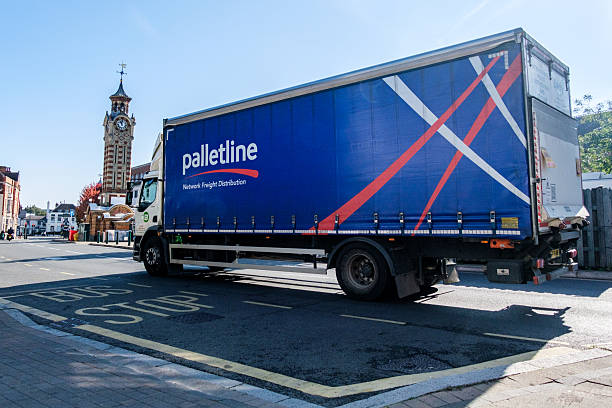
Pennsylvania serves as the industrial heartbeat of the Mid Atlantic region. From the steel mills of the west to the chemical plants of the east, the state requires a constant movement of massive quantities of raw materials. Reliable Industrial Bulk Hauling acts as the glue holding these supply chains together. In 2026, as manufacturing demands increase, companies must identify transport partners who prioritize safety, punctuality, and technical expertise.
Navigating the Commonwealth’s unique geography requires more than just a truck. It demands a sophisticated logistical approach that accounts for mountain passes, urban congestion, and strict regulatory frameworks. This guide explores the essential components of Reliable Industrial Bulk Hauling and how it supports the state’s economic engine.
The Foundation of Pennsylvania’s Industrial Supply Chain
Industrial operations in Pennsylvania do not function in a vacuum. A manufacturing plant in Allentown depends on raw inputs from across the state to maintain its production schedule. Reliable Industrial Bulk Hauling ensures that these inputs arrive exactly when the facility needs them. This “just in time” delivery model reduces the need for expensive on site storage and keeps overhead costs low for manufacturers.
When a carrier provides Reliable Industrial Bulk Hauling, they become an extension of the manufacturer’s own team. The consistency of these deliveries allows plant managers to plan their labor shifts and production cycles with total confidence. In an era of global competition, this local reliability provides a significant edge for Pennsylvania based businesses.
Specialized Equipment for Diverse Industrial Needs
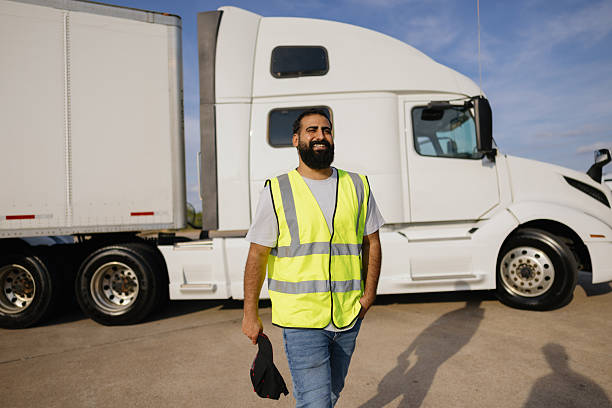
Different industrial materials require different handling methods. You cannot haul liquid chemicals in a hopper bottom meant for grain. To offer Reliable Industrial Bulk Hauling, a transport company must maintain a diverse fleet of specialized trailers.
| Equipment Type | Common Industrial Cargo | Industry Sector |
| Pneumatic Tankers | Cement, Plastic Pellets, Fly Ash | Construction & Manufacturing |
| End Dump Trailers | Scrap Metal, Aggregates, Ore | Heavy Industry |
| Liquid Tankers | Industrial Acids, Fuels, Lubricants | Chemical Processing |
| Lowboy Trailers | Heavy Machinery, Steel Beams | Infrastructure & Mining |
By matching the specific trailer to the material, Reliable Industrial Bulk Hauling providers maximize payload efficiency while ensuring the cargo remains secure throughout the journey.
Navigating the Challenges of the Appalachian Terrain
Pennsylvania features some of the most challenging road topographies in the United States. Crossing the Allegheny Mountains with 80,000 pounds of industrial material requires a driver with exceptional skill. Reliable Industrial Bulk Hauling depends on operators who understand how to manage engine braking and gear selection on steep descents.
Companies that prioritize Reliable Industrial Bulk Hauling invest heavily in driver training for mountain driving. This training prevents equipment fatigue and reduces the risk of brake failure. In the rugged central part of the state, this level of expertise is the difference between a successful delivery and a catastrophic delay.
Utilizing 511PA for Real Time Route Optimization
The modern logistics landscape relies on data. To maintain Reliable Industrial Bulk Hauling schedules, dispatchers and drivers utilize the 511PA system. This PennDOT tool provides real time updates on accidents, construction zones, and winter road conditions.
- Traffic Monitoring: Drivers avoid the “S-curves” or major highway delays by checking live feeds.
- Weather Alerts: Winter hauling requires constant monitoring of plow activity and ice warnings.
- Commercial Restrictions: 511PA highlights bridge closures that could affect heavy industrial loads.
- Emergency Rerouting: If a major artery like I-81 closes, dispatchers can push new routes to drivers instantly.
By integrating these tools, Reliable Industrial Bulk Hauling services stay ahead of the disruptions that often plague Pennsylvania’s aging infrastructure.
Compliance with PennDOT Weight and Safety Regulations
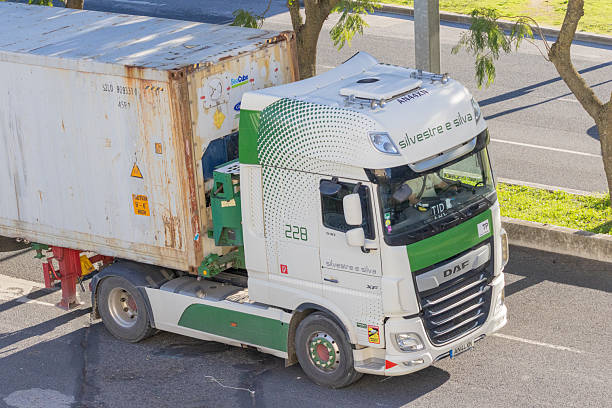
Safety is a non negotiable component of Reliable Industrial Bulk Hauling. Pennsylvania law dictates strict weight limits for commercial vehicles to protect the state’s bridges and roads. Carriers must ensure their Gross Vehicle Weight (GVW) does not exceed 80,000 pounds without specialized permits.
Maintaining compliance requires regular use of certified scales. Reliable Industrial Bulk Hauling companies often equip their trucks with on board weighing systems to verify load weights before the vehicle even leaves the industrial site. This proactive approach prevents costly fines and protects the company’s safety rating with the Department of Transportation.
The Critical Role of Scrap Metal Hauling
The steel industry remains a cornerstone of the Pennsylvania economy. Moving scrap metal from collection centers to furnaces requires rugged Reliable Industrial Bulk Hauling. Scrap hauling involves high impact loading and abrasive materials that can easily damage standard trailers.
- Steel Liners: Trucks often feature hardened steel beds to withstand the impact of heavy scrap.
- Secure Tarping: Operators must use heavy duty tarps to prevent small debris from escaping on the highway.
- Rapid Turnaround: Steel mills operate on tight schedules, requiring a constant cycle of incoming material.
- Volume Capacity: High side dump trailers allow for the transport of light but bulky scrap efficiently.
Without Reliable Industrial Bulk Hauling in the scrap sector, the circular economy of the steel industry would collapse.
Managing Chemicals and Hazardous Industrial Liquids
Many Pennsylvania manufacturers produce or utilize chemicals that qualify as hazardous materials. Providing Reliable Industrial Bulk Hauling for these liquids requires specialized HAZMAT endorsements and rigorous safety protocols. The tankers used for these hauls often feature specialized linings to prevent corrosion and double walled construction for spill prevention.
Every driver involved in this type of Reliable Industrial Bulk Hauling undergoes extensive training in emergency response and spill containment. These professionals understand the high stakes involved in moving industrial acids or fuels through the state’s sensitive watersheds. Their expertise ensures that manufacturing plants stay supplied without compromising environmental safety.
Infrastructure Support Through Aggregate Hauling
Construction projects across the Commonwealth rely on a steady stream of stone, sand, and gravel. Reliable Industrial Bulk Hauling provides the backbone for road repairs, bridge construction, and new factory foundations. In this sector, the ability to coordinate dozens of trucks for a single large “pour” or paving project is essential.
| Project Phase | Material Needed | Logistical Requirement |
| Site Prep | Fill Dirt / Sub-base | High frequency cycles |
| Foundation | Bulk Cement / Sand | Precise timing for mixers |
| Paving | Hot Mix Asphalt | Temperature sensitive timing |
| Finishing | Landscaping Stone | Final site access precision |
A failure in Reliable Industrial Bulk Hauling during any of these phases can stall a multi million dollar infrastructure project.
The Importance of Posted and Bonded Roads
In rural Pennsylvania, many industrial sites sit on “posted” roads with weight limits. To provide Reliable Industrial Bulk Hauling in these areas, transport companies must secure road bonds. This process involves an agreement with the local municipality to cover any road damage caused by heavy truck traffic.
Securing these bonds is a complex administrative task that Reliable Industrial Bulk Hauling providers handle for their clients. It allows industrial activity to flourish in remote areas while ensuring that local taxpayers are not stuck with the bill for road repairs. This cooperation between industry and local government is vital for the state’s rural economy.
Logistics for Plastic Pellets and Manufacturing Resins
Pennsylvania serves as a major hub for plastic manufacturing. Moving the raw resin pellets from rail terminals to factories requires specialized pneumatic Reliable Industrial Bulk Hauling. These trailers use compressed air to “blow” the pellets into storage silos at the manufacturing plant.
- Contamination Control: Trailers must undergo strict “wash outs” between different grades of plastic.
- Moisture Prevention: Pneumatic systems must be completely sealed to keep the resin dry.
- Static Grounding: Drivers use grounding cables to prevent static buildup during the unloading process.
- High Volume Delivery: Large manufacturing plants often require multiple loads per day to stay operational.
Maintaining the purity of the raw material is the primary goal of Reliable Industrial Bulk Hauling in the plastics sector.

Maintenance Protocols for Heavy Duty Industrial Fleets
Industrial hauling is incredibly hard on equipment. To guarantee Reliable Industrial Bulk Hauling, companies must implement aggressive preventative maintenance schedules. The constant weight and varied terrain of Pennsylvania accelerate the wear on tires, brakes, and suspension systems.
Technicians inspect every rig daily for signs of fatigue. A single mechanical failure can lead to a missed delivery and a stalled production line. By prioritizing maintenance, Reliable Industrial Bulk Hauling providers ensure their trucks stay on the road and out of the repair shop during critical production windows.
Driver Retention and the Industrial Hauling Shortage
The human element is the most significant constraint on the logistics industry in 2026. Finding and keeping drivers capable of Reliable Industrial Bulk Hauling is a constant challenge. These drivers need more than just a CDL; they need the patience to navigate urban traffic and the toughness to handle mountain winters.
Companies that offer Reliable Industrial Bulk Hauling focus on driver retention through better pay, modern equipment, and predictable schedules. When a driver knows their route and their equipment, they are more likely to deliver the level of service that industrial clients demand. This investment in people is the “secret sauce” of a successful hauling operation.
Digital Integration and e-Ticketing in 2026
The administrative side of the hauling industry has undergone a digital revolution. Reliable Industrial Bulk Hauling now features e-Ticketing, which provides an instant digital record of every load. As soon as the truck leaves the scale, the manufacturer receives a notification with the exact weight and material type.
This transparency reduces disputes and speeds up the billing cycle. Furthermore, GPS tracking allows plant managers to see the exact location of their incoming materials. This level of data integration makes Reliable Industrial Bulk Hauling more efficient and easier to manage for large scale industrial operations.
Environmental Sustainability in Industrial Hauling
As Pennsylvania moves toward a greener economy, Reliable Industrial Bulk Hauling is adapting. Many fleets are now integrating aerodynamic trailers and low emission engines to reduce their carbon footprint. Some companies are even testing electric heavy trucks for short haul industrial “shuttles” between mills and rail yards.
By optimizing routes and reducing idle times, Reliable Industrial Bulk Hauling providers help their industrial clients meet their own sustainability goals. These incremental changes protect the state’s natural beauty while supporting its industrial future. Efficiency is not just about speed; it is about moving more material with less impact.
Selecting a Long Term Industrial Hauling Partner
Choosing a provider for Reliable Industrial Bulk Hauling is a strategic business decision. Manufacturers must look for partners who have a deep history in the Pennsylvania market and a proven safety record. A cheap quote is often a red flag for poor maintenance or unreliable scheduling.
A true partner in Reliable Industrial Bulk Hauling understands the client’s business. They anticipate seasonal surges and prepare for infrastructure disruptions. By building a relationship with a professional hauling service, Pennsylvania’s industrial leaders can ensure their products keep moving, no matter what challenges the road presents.
Frequently Asked Questions (FAQs)
What defines “Reliable Industrial Bulk Hauling” in Pennsylvania?
Reliable Industrial Bulk Hauling refers to the consistent, safe, and timely transport of large quantities of raw materials or industrial byproducts. It requires specialized equipment, expert drivers, and a deep understanding of Pennsylvania’s regulatory and geographic landscape.
How does topography affect hauling rates in PA?
The mountain ranges of Central Pennsylvania increase fuel consumption and equipment wear. Providers of Reliable Industrial Bulk Hauling factor these geographic challenges into their pricing to account for the extra time and maintenance required for mountain routes.
Is e-Ticketing mandatory for industrial hauling?
While not always legally mandated by the state for all sectors, e-Ticketing has become an industry standard for Reliable Industrial Bulk Hauling. It provides a transparent, digital trail that helps both the hauler and the manufacturer track inventory and costs.
How do haulers handle weight restricted bridges?
Drivers providing Reliable Industrial Bulk Hauling use specialized GPS systems that include bridge weight data. They also monitor 511PA for real time updates on bridge closures or new restrictions to ensure they always stay on a legal and safe route.
What is the standard weight limit for industrial loads?
The standard Gross Vehicle Weight for most industrial trucks in Pennsylvania is 80,000 pounds. To exceed this, a provider of Reliable Industrial Bulk Hauling must obtain “overweight” permits from PennDOT for specific, pre approved routes.
Why is road bonding necessary for industrial sites?
Many industrial sites are located on rural roads that cannot handle the stress of constant 80,000 pound loads. To ensure Reliable Industrial Bulk Hauling, companies bond these roads to provide financial security for any repairs needed due to the heavy traffic.
How do pneumatic tankers work?
Pneumatic tankers are used in Reliable Industrial Bulk Hauling for dry powders like cement. They use an air compressor to pressurize the tank, which then “blows” the material through a hose into a storage silo, allowing for rapid and dust free unloading.
Can industrial haulers handle hazardous waste?
Yes, but they must have specific environmental permits and HAZMAT endorsements. Reliable Industrial Bulk Hauling for waste materials like contaminated soil or fly ash requires strict adherence to DEP (Department of Environmental Protection) guidelines.
How does fuel price volatility affect hauling?
Most Reliable Industrial Bulk Hauling contracts include a fuel surcharge clause. This allows the rate to adjust based on the current price of diesel, ensuring the hauling company can remain operational even when energy costs spike.
What is the best way to get a quote for bulk hauling?
To receive an accurate quote for Reliable Industrial Bulk Hauling, you should provide the material type, the total volume, the frequency of shipments, and the exact pickup and delivery coordinates. This allows the hauler to calculate the most efficient route and equipment needs.
[Request a Consultation for Reliable Industrial Bulk Hauling Services in Pennsylvania]