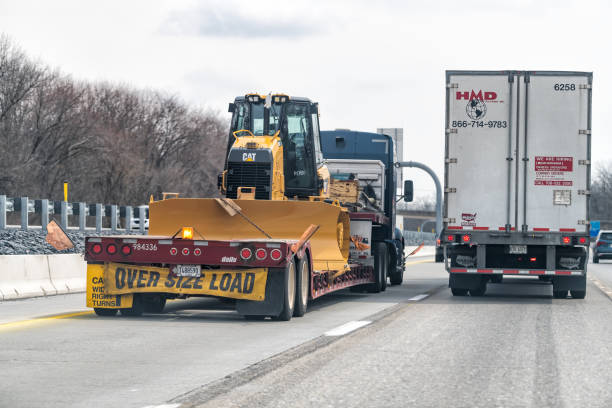
Pennsylvania stands as a titan of American industry, serving as a primary corridor for the movement of raw materials and finished goods. The state’s unique position between the East Coast markets and the Midwestern manufacturing belt necessitates a robust logistics network. Pennsylvania Bulk Transport Services provide the essential skeletal structure for this economic activity, moving millions of tons of dry and liquid bulk materials every year. In 2026, the demand for these services continues to rise as the Commonwealth reinvests in its infrastructure and manufacturing heritage.
Whether it is hauling timber from the Northern Tier or delivering specialty chemicals to the Lehigh Valley, these logistics providers must navigate some of the most complex terrains and regulations in the country. This guide explores how Pennsylvania Bulk Transport Services maintain the flow of commerce while adhering to strict safety and efficiency standards.
The Strategic Importance of the Keystone State
The nickname “Keystone State” is more than a historical reference; it describes a geographical reality. Pennsylvania Bulk Transport Services operate at the intersection of several major interstate highways, including I-80, I-76, and I-81. This network allows for the rapid distribution of raw materials to any point in the Mid-Atlantic region within a single day’s drive.
Manufacturing plants in the state rely on the “Just-In-Time” delivery models provided by Pennsylvania Bulk Transport Services. When a factory in York needs steel or a food processor in Scranton needs bulk flour, they depend on the punctuality of specialized haulers. Without this reliable movement, the state’s industrial output would grind to a halt.
Specialized Equipment for Raw Material Logistics
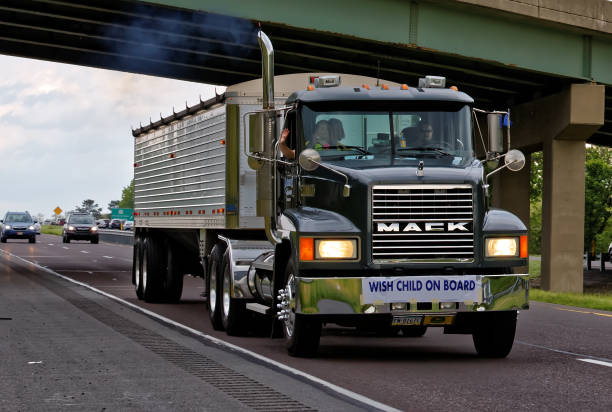
Moving raw materials requires more than just a standard trailer. To provide elite Pennsylvania Bulk Transport Services, companies must invest in a diverse fleet of specialized equipment. Each material has unique properties that dictate how a driver loads, secures, and unloads the cargo.
| Equipment Type | Typical Cargo | Industry Sector |
|---|---|---|
| Pneumatic Tanker | Cement, Flour, Plastic Pellets | Construction / Manufacturing |
| End Dump Trailer | Scrap Metal, Raw Timber, Ore | Heavy Industry / Forestry |
| Live Floor Trailer | Mulch, Wood Chips, Waste | Landscaping / Energy |
| Liquid Tanker | Chemicals, Liquid Fertilizer | Industrial Processing |
By matching the equipment to the specific needs of the raw material, Pennsylvania Bulk Transport Services maximize the payload while protecting the integrity of the product.
Managing the Logistics of Timber and Forestry
The northern forests of Pennsylvania produce some of the finest hardwoods in the world. Pennsylvania Bulk Transport Services play a vital role in the forestry sector, moving logs from the forest to the sawmill and wood chips to the paper mill. This type of hauling requires rugged equipment capable of navigating unpaved forest roads.
- Log Trailers: Feature high-strength steel bunks to secure heavy timber.
- Weight Management: Drivers must carefully balance the load to navigate steep mountain grades safely.
- Permit Compliance: Many timber routes require special permits for seasonal weight variations.
- Safety Protocols: Securement chains and straps undergo constant inspection to prevent load shifts.
The efficiency of Pennsylvania Bulk Transport Services in this sector ensures that Pennsylvania remains a global leader in forest products.
Bulk Chemical Transport for Manufacturing Plants
Pennsylvania’s manufacturing sector utilizes a wide array of chemicals that require careful handling. Pennsylvania Bulk Transport Services provide the specialized tankers and certified drivers needed to move these sensitive materials. This segment of the industry operates under the highest level of scrutiny.
Safety is the absolute priority when hauling industrial liquids. Drivers for Pennsylvania Bulk Transport Services undergo rigorous training in hazardous material (HAZMAT) handling and emergency response. These tankers often feature specialized linings to prevent corrosion and temperature control systems to maintain the chemical’s stability during transit.
Navigating the Appalachian Ridge and Valley Terrain
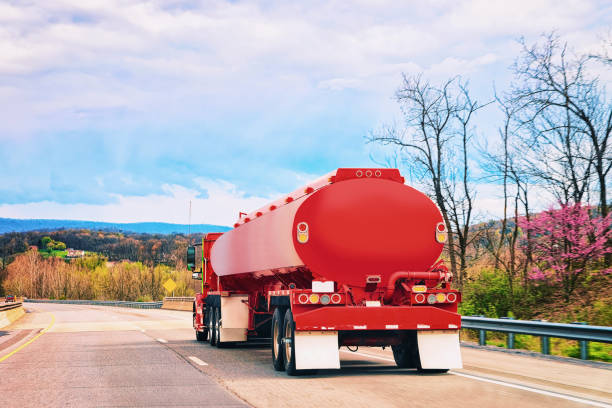
Central Pennsylvania features a series of parallel ridges that present a significant challenge for heavy bulk rigs. Pennsylvania Bulk Transport Services must plan routes that account for these geographic barriers. A truck loaded with 80,000 pounds of raw material consumes significantly more fuel and experiences more brake wear when crossing the Alleghenies.
Experienced drivers for Pennsylvania Bulk Transport Services utilize engine braking and gear management to safely descend steep grades. Many companies also utilize route-optimization software to find the flattest possible path, even if it adds a few miles to the trip. This geographic intelligence protects the equipment and ensures the cargo reaches the manufacturing plant on time.
Utilizing 511PA for Real-Time Route Optimization
The road network in Pennsylvania is prone to weather-related disruptions and heavy construction. Professional Pennsylvania Bulk Transport Services utilize the 511PA system to monitor traffic in real-time. This system provides critical updates on commercial vehicle restrictions, road closures, and plow activity during the winter months.
By checking 511PA before every haul, Pennsylvania Bulk Transport Services can avoid the congestion of the PA Turnpike or identify bridge closures on secondary routes. This proactive approach is essential for maintaining the tight schedules required by modern manufacturing facilities. Information is the most valuable tool for a dispatcher in the Keystone State.
Compliance with PennDOT Weight Limits and Regulations
Pennsylvania strictly enforces its vehicle weight limits to protect its aging bridge infrastructure. Pennsylvania Bulk Transport Services must ensure that every load complies with the 80,000-pound Gross Vehicle Weight (GVW) limit unless they hold a special permit.
| Regulation Category | Standard Limit | Compliance Method |
|---|---|---|
| Gross Weight | 80,000 lbs | On-board scales / CAT scales |
| Bridge Weight | Varies by structure | GPS routing with bridge data |
| Axle Weight | 20,000 lbs (Single) | Proper load positioning |
| Tarping | 100% Coverage | Electric roll-tarp system |
Maintaining compliance is a daily task for Pennsylvania Bulk Transport Services. It prevents costly fines and ensures the longevity of the roads that support the state’s manufacturing base.
The Importance of Posted and Bonded Roads
In many rural areas, the roads leading to mines or timber stands are “posted” with lower weight limits. To provide Pennsylvania Bulk Transport Services on these roads, companies must often secure an Excess Maintenance Agreement (EMA) or a road bond.
Components of a Road Bonding Agreement
- Asset Inspection: The municipality and the hauler document the road’s condition before hauling begins.
- Financial Liability: The bond provides funds for repairs if the heavy truck traffic causes damage.
- Maintenance Support: Some Pennsylvania Bulk Transport Services provide their own stone and grading to keep the road passable.
- Public Safety: Bonds often include requirements for dust control and signage to protect local residents.
This system allows for the transport of raw materials while ensuring that local taxpayers do not bear the cost of industrial road wear.
Bulk Scrap Metal Hauling for the Steel Industry
The steel mills of Western and Eastern Pennsylvania rely on a steady supply of scrap metal. Pennsylvania Bulk Transport Services provide the heavy-duty end dumps and roll-off trailers needed to move this material. Scrap hauling is a rugged business that requires equipment built to withstand sharp edges and heavy impacts.
Haulers must also ensure that no debris falls from the trailer onto the highway. Professional Pennsylvania Bulk Transport Services use heavy-duty steel mesh or vinyl tarps to secure the load. This attention to detail protects other motorists and complies with the state’s strict securement laws.
Specialized Logistics for Plastic Pellet Transport
Many Pennsylvania manufacturers produce plastic goods, requiring a constant supply of resin pellets. Pennsylvania Bulk Transport Services utilize pneumatic tankers to move these pellets from rail-to-truck terminals directly to the factory. This process must remain completely moisture-free and uncontaminated.
- Pneumatic Discharge: Uses filtered air to blow pellets into storage silos.
- Clean-Out Protocols: Trailers undergo strict cleaning between different grades of plastic.
- Filter Systems: Ensure that no dust or environmental debris enters the manufacturing process.
- Sample Testing: Drivers often take samples before and after loading to verify product purity.
By maintaining these high standards, Pennsylvania Bulk Transport Services support the precision manufacturing sector.
Maintenance and Safety for Bulk Fleets
Bulk hauling is hard on equipment. The constant loading and unloading of heavy materials accelerate the wear on brakes, tires, and hydraulic systems. Leading Pennsylvania Bulk Transport Services implement rigorous preventative maintenance programs.
Daily inspections are a mandatory part of the job for drivers. They check for hydraulic leaks, verify tire pressure, and ensure that all lights and markers are functioning. A well-maintained fleet is the hallmark of a reliable provider of Pennsylvania Bulk Transport Services, as it minimizes the risk of roadside breakdowns that can disrupt a manufacturer’s production line.
Licensing and Driver Training Standards
Driving a bulk rig in Pennsylvania requires a high level of skill. Drivers for Pennsylvania Bulk Transport Services must hold a Class A CDL and often carry specialized endorsements for tankers or hazardous materials.
Because bulk materials can shift during transit, drivers must understand the physics of their load. Pennsylvania Bulk Transport Services provide ongoing training on “liquid surge” and “load leveling” to prevent rollover accidents. In a state with so many winding mountain roads, this training is a critical component of public safety and cargo protection.
Environmental Sustainability in Bulk Transport
In 2026, the push for “Green” logistics is stronger than ever. Pennsylvania Bulk Transport Services are adopting new technologies to reduce their environmental impact. This includes the use of aerodynamic trailer designs and fuel-efficient engines.
Some companies are also experimenting with alternative fuels, such as Renewable Natural Gas (RNG) produced from Pennsylvania dairy farms. By reducing idling time and optimizing routes, Pennsylvania Bulk Transport Services help their manufacturing clients meet their corporate sustainability goals. These efforts preserve the natural beauty of the state while supporting its industrial future.
The Utility of e-Ticketing and Telematics
Digital transformation has arrived in the bulk hauling industry. Pennsylvania Bulk Transport Services now utilize e-ticketing to provide instant documentation of every load. This technology allows the driver to send weight and material data directly to the manufacturer’s office via a smartphone app.
Telematics systems also allow dispatchers to track the location and speed of every truck in real-time. This level of transparency is vital for Pennsylvania Bulk Transport Services, as it allows manufacturers to plan their labor and storage capacity based on the exact ETA of the raw materials. In the competitive world of 2026 manufacturing, these digital tools provide a significant advantage.
Selecting the Right Partner for Bulk Logistics
Choosing a provider for Pennsylvania Bulk Transport Services is a strategic decision. Manufacturers must look for a partner with a proven safety record, the right specialized equipment, and a deep understanding of the local geography.
A reliable partner offers more than just a truck; they provide the peace of mind that the raw materials will arrive safely and on schedule. By investing in professional Pennsylvania Bulk Transport Services, Pennsylvania’s industrial sector can continue to grow and compete on the world stage.
Frequently Asked Questions (FAQs)
What types of materials are included in bulk transport?
Pennsylvania Bulk Transport Services handle any material moved in large quantities without individual packaging. This includes dry goods like grain, sand, and plastic pellets, as well as liquids like chemicals, fuel, and liquid fertilizer.
How does 511PA help with bulk hauling?
511PA provides real-time data on road conditions, closures, and commercial vehicle restrictions. Drivers for Pennsylvania Bulk Transport Services use this tool to avoid delays and find the safest routes across the state’s challenging terrain.
Why do some roads require a bond?
Many rural roads were not designed for the 80,000-pound trucks used by Pennsylvania Bulk Transport Services. A bond provides the municipality with financial security, ensuring that the hauling company pays for any repairs needed due to heavy industrial traffic.
Is a Class A CDL required for all bulk hauling?
Yes, for standard tractor-trailer configurations. Professional Pennsylvania Bulk Transport Services only employ drivers with a Class A CDL and the necessary endorsements for the specific materials being transported, such as HAZMAT or Tanker.
How do I ensure my raw materials are not contaminated?
Top-tier Pennsylvania Bulk Transport Services follow strict “clean-out” protocols. This includes pressure-washing trailers between loads and providing documentation that the equipment is sanitized and ready for the next material.
What is the maximum weight for a bulk truck in PA?
The standard legal limit is 80,000 pounds GVW. However, Pennsylvania Bulk Transport Services can often obtain special permits for heavier loads on specific routes, provided the equipment meets the necessary axle-spacing requirements.
Can bulk transport handle temperature-sensitive materials?
Yes, many tankers used by Pennsylvania Bulk Transport Services feature insulation or active heating/cooling systems. This is critical for chemicals or food-grade materials that must stay within a specific temperature range during transit.
How do I get a quote for bulk hauling?
You should contact a provider of Pennsylvania Bulk Transport Services with details on the material type, the total volume, the pickup location, and the destination. They will evaluate the route and equipment needs to provide a competitive per-ton or per-load rate.
How are bulk loads secured?
Pennsylvania Bulk Transport Services use a variety of methods depending on the material. Dry bulk in open trailers requires 100% tarping to prevent blow-off, while heavy items like timber or scrap metal use high-tension chains and straps.
What is the difference between dry bulk and liquid bulk?
Dry bulk refers to solid materials like sand or grain, often moved in hoppers or pneumatic trailers. Liquid bulk refers to fluids like chemicals or oil, moved in specialized tankers. Pennsylvania Bulk Transport Services often specialize in one or both of these categories.
[Contact Us for Professional Pennsylvania Bulk Transport Services and Logistics]