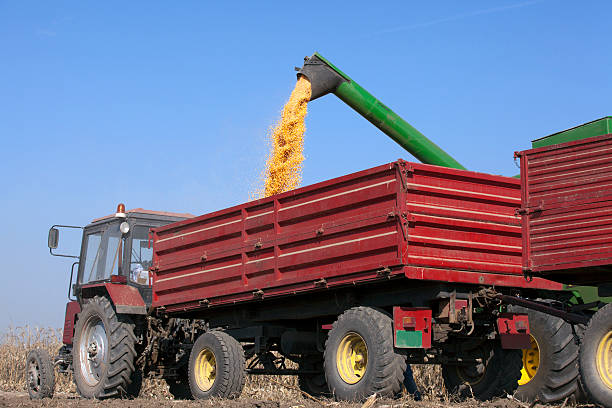
Lancaster County stands as the agricultural crown jewel of Pennsylvania. Its deep, rich soils produce some of the highest yields of grain in the Northeastern United States. For the local farming community, the harvest marks the culmination of months of labor, yet the work only truly finishes when the crop reaches the buyer. Corn and Soybean Transport Services provide the essential link between the farm gate and the regional processing hubs. In 2026, the efficiency of these moves defines the success of the season, requiring a mix of traditional work ethic and modern logistical tools.
Navigating the narrow, winding roads of the Lancaster region requires specialized knowledge and equipment. From avoiding horse-drawn buggies to meeting strict delivery windows at major feed mills, the logistics of this area are unique. This guide explores the standards of excellence for Corn and Soybean Transport Services and how they maintain the flow of the local economy.
The Geographic Heart of Pennsylvania Agriculture
Lancaster County features a landscape unlike any other in the state. The rolling limestone valleys provide the perfect environment for high-volume grain production. However, the same geography that makes the land fertile also makes transport a challenge. Professional Corn and Soybean Transport Services must navigate a dense network of secondary roads that connect rural townships like Intercourse, Ephrata, and Quarryville.
The proximity to major markets in Philadelphia and Baltimore makes this region a strategic hub. Local Corn and Soybean Transport Services leverage this location to move grain quickly to export terminals and regional poultry operations. Understanding the “shortcuts” and weight-restricted areas of the county is a prerequisite for any reliable hauler operating in this space.
Modern Fleet Standards for Grain Hauling
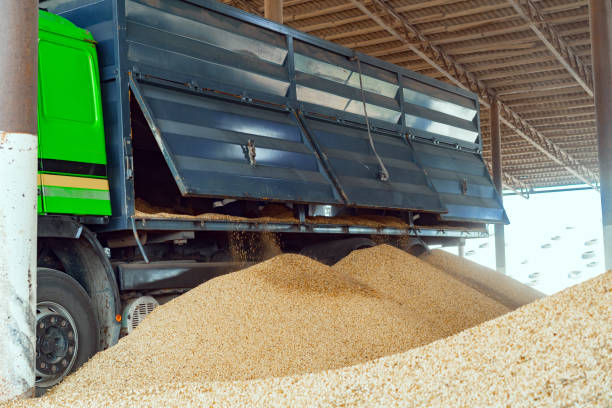
To provide top-tier Corn and Soybean Transport Services, a company must maintain a fleet that handles the specific rigors of Lancaster’s terrain. Aluminum hopper bottom trailers remain the industry favorite due to their lightweight design and high payload capacity.
| Equipment Component | Specification | Benefit |
| Trailer Type | Aluminum Hopper Bottom | Maximizes legal grain weight |
| Axle Layout | Tandem with Weight Sensors | Ensures PennDOT compliance |
| Tarp System | Electric Roll Tarp | Rapid weather protection |
| Engine Class | High-Torque Diesel / RNG | Handles steep valley grades |
These technical features allow Corn and Soybean Transport Services to move maximum bushels per trip while protecting the grain from the unpredictable Pennsylvania weather.
Understanding CDL Requirements and Local Safety
Safety is a primary concern in a region where heavy trucks share the road with non-motorized vehicles. Drivers providing Corn and Soybean Transport Services must hold a Class A CDL and demonstrate exceptional situational awareness.
- Buggy Awareness: Drivers must respect the 10 mph speed of horse-drawn carriages on rural state routes.
- Pre-Trip Inspections: Rigorous checks of brakes and tires prevent mechanical failures on steep descents.
- Weight Verification: Utilizing on-board scales ensures the truck never exceeds the 80,000-lb GVW limit.
- Driver Health: Maintaining DOT medical cards ensures every operator remains fit for long harvest shifts.
By adhering to these standards, Corn and Soybean Transport Services protect both the cargo and the local community.
Utilizing 511PA for Live Route Optimization
In 2026, technology plays a major role in agricultural logistics. Professional Corn and Soybean Transport Services utilize the 511PA system to monitor traffic and road conditions. Lancaster County frequently experiences congestion on routes like US-30 and PA-283, which can cause significant delays during the harvest rush.
Drivers check 511PA for real-time updates on bridge closures or accidents. If a utility outage affects a local grain elevator, the dispatcher uses this data to reroute the truck to a different facility before it gets stuck in a line. This level of responsiveness is a hallmark of truly reliable Corn and Soybean Transport Services.
The Seasonal Surge: Corn vs. Soybean Timing
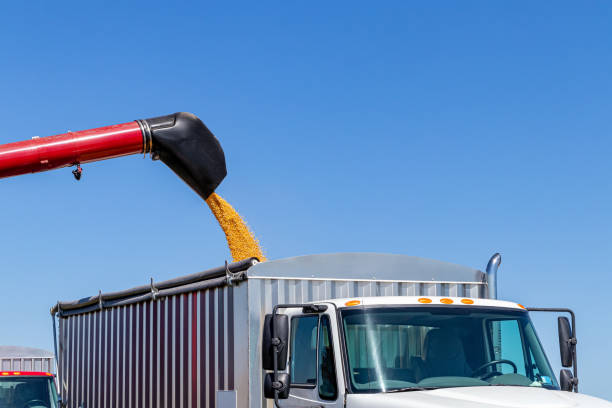
While corn and soybeans often grow in adjacent fields, their transport needs differ slightly. Corn and Soybean Transport Services must coordinate their fleet to handle the distinct timing of each harvest.
Seasonal Logistics Factors
- The Early Soybean Run: Soybeans usually dry down first, requiring a fast move in late September or October to meet export windows.
- The High-Volume Corn Push: Corn harvest creates the largest demand for trucks, often running late into November or even December.
- Moisture Management: Corn often requires transport to a drying facility first, adding an extra step to the logistics chain.
- Cleanliness Protocols: Trailers must be swept clean between different crop types to avoid contamination.
Compliance with Posted and Bonded Road Laws
Lancaster County contains hundreds of miles of “posted” roads with weight restrictions. To provide Corn and Soybean Transport Services on these routes, hauling companies must often secure bonds or Excess Maintenance Agreements (EMA).
This process involves a financial commitment to the township to cover any road damage caused by heavy trucks. Reliable Corn and Soybean Transport Services handle this paperwork internally, ensuring the farmer does not have to worry about the legality of the move. By respecting these limits, haulers preserve the roads that connect our farms to the rest of the world.
Pricing Structures in the Lancaster Market
The cost of Corn and Soybean Transport Services reflects the complexity of the local infrastructure. Haulers typically use a per-bushel rate that accounts for fuel, labor, and equipment depreciation.
| Distance | Estimated Rate (Per Bu) | Factor |
| Local (Under 15 miles) | $0.15 to $0.22 | High frequency, short cycles |
| Regional (15 to 50 miles) | $0.25 to $0.35 | Higher fuel consumption |
| Long-Haul (50+ miles) | Custom Quote | Depends on back-haul availability |
Producers should look for transparency in these rates, especially concerning fuel surcharges which can fluctuate weekly in 2026.
Maintaining Grain Quality During Transit
A reliable service does more than just move the grain; it protects the farmer’s investment. Corn and Soybean Transport Services prioritize the integrity of the hopper seals and tarps.
If a tarp fails during a rainstorm on Route 222, a load of dry soybeans can quickly become a “sample grade” rejection at the elevator. Professional haulers inspect their equipment daily to ensure that no moisture or pests enter the trailer. This commitment to quality ensures that the farmer receives the highest possible price for their crop at the scale house.
The Utility of e-Ticketing for Record Keeping
Digital transformation has reached the scale house. Many modern Corn and Soybean Transport Services now offer e-Ticketing. This technology sends a digital record of the load’s weight, moisture, and grade directly to the farmer’s smartphone as soon as the truck leaves the scale.
- Real-Time Data: Farmers can monitor their yields and moisture levels from the combine cab.
- Accuracy: Digital tickets eliminate the risk of lost or illegible paper slips.
- Inventory Management: E-tickets sync with farm management software for easier tax and insurance reporting.
- Transparency: Both the hauler and the producer have an instant, shared record of the transaction.
Safety Standards for Loading and Unloading
Loading a grain truck in a tight farm lane requires precision. Corn and Soybean Transport Services employ drivers who understand the “swing” of a 53-foot trailer.
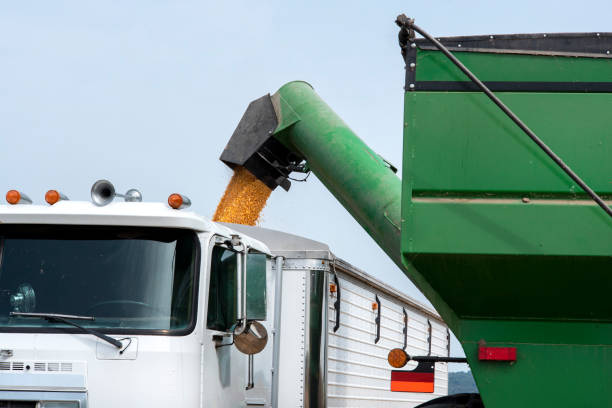
At the unloading site, safety protocols remain just as strict. Drivers must align their hoppers perfectly over the intake grate to avoid spills. In the high-stress environment of a busy elevator, following these safety steps prevents accidents and ensures a fast turnaround for everyone in the queue. Experienced Corn and Soybean Transport Services make this process look easy, but it requires years of practice.
Managing the “Buggy Factor” on Secondary Roads
Sharing the road with Lancaster’s Plain Sect community is a daily reality for Corn and Soybean Transport Services. Drivers receive specialized training on how to safely pass buggies and avoid startling horses with air brakes.
This mutual respect is essential for maintaining peace in the rural community. Haulers often plan their routes to avoid the busiest times for local buggy traffic, such as Sunday mornings or school-commute hours. This community-minded approach is what distinguishes local Corn and Soybean Transport Services from national freight carriers who may not understand these cultural nuances.
Environmental Sustainability in Local Hauling
As we move through 2026, many Lancaster County farms are looking for ways to reduce their carbon footprint. Corn and Soybean Transport Services are responding by investing in newer, more efficient engines.
Some local fleets have begun testing Renewable Natural Gas (RNG) trucks, which can run on methane captured from local dairy lagoons. This “circular economy” approach turns farm waste into the fuel needed to move the farm’s grain. By choosing sustainable Corn and Soybean Transport Services, producers contribute to the long-term health of the Lancaster County ecosystem.
Reliability and the “Harvest Window”
The weather in Pennsylvania is notoriously fickle. When a dry window opens in late October, every farmer in the county needs Corn and Soybean Transport Services at the same time. Reliability means showing up when the combine is rolling, not two days later.
Top-tier services maintain a “reserve” capacity or utilize a network of vetted owner-operators to handle these peak surges. When you book Corn and Soybean Transport Services, you are paying for the peace of mind that a truck will be there to catch the grain, preventing the combine from sitting idle in the field.
Communication: The Dispatcher’s Role
The “secret sauce” of great Corn and Soybean Transport Services is the dispatcher. This person acts as the air traffic controller for the harvest. They coordinate between the farm, the driver, and the elevator to ensure a smooth flow.
Good dispatchers use real-time GPS tracking to give the farmer accurate ETAs. If an elevator has a two-hour wait, the dispatcher communicates this immediately, allowing the farmer to adjust their harvest speed or switch to a different delivery point. This constant stream of information is what makes Corn and Soybean Transport Services truly reliable.
Building Long-Term Hauling Partnerships
In a region as tight-knit as Lancaster County, reputations are everything. Most farmers prefer to work with the same Corn and Soybean Transport Services year after year.
These long-term partnerships allow the hauler to learn the specific layout of the farm, the location of the bins, and the preferred routes of the producer. Over time, this familiarity reduces errors and improves efficiency. Investing in a relationship with a professional transport service is one of the smartest moves a Lancaster County farmer can make.
Conclusion: The Foundation of the Local Harvest
The agricultural success of Lancaster County relies on more than just good weather and fertile soil. It depends on the invisible infrastructure of Corn and Soybean Transport Services that keeps the product moving. By combining technical expertise with a deep respect for the local community and landscape, these haulers ensure that the bounty of the land reaches its destination.
As we look toward the future of Pennsylvania farming, the role of professional logistics will only grow. From utilizing 511PA to adopting e-Ticketing, the industry is evolving to meet the needs of the modern producer. Reliable Corn and Soybean Transport Services remain the backbone of the harvest, turning the potential of the field into the reality of the market.
Frequently Asked Questions (FAQs)
How do I know if my road is weight-restricted?
You can check the PennDOT website or look for physical signs posted at the entrance of the road. Professional Corn and Soybean Transport Services also maintain maps of restricted areas and handle the necessary bonding paperwork.
What is the advantage of using e-Ticketing?
E-ticketing provides instant, digital proof of your delivery. It helps with harvest tracking, moisture monitoring, and simplifies your end-of-year accounting. Most modern Corn and Soybean Transport Services in the Lancaster region now offer this as a standard tool.
How does 511PA help with grain hauling?
511PA provides real-time traffic alerts, bridge closures, and weather updates. This allows drivers to avoid delays and find the most efficient routes, which is critical for maintaining Corn and Soybean Transport Services during the busy harvest season.
Can I request a truck for organic grain?
Yes, but you must specify this when booking. To prevent contamination, trailers used for organic Corn and Soybean Transport Services must undergo a certified “clean-out” process to ensure no GMO kernels remain from a previous load.
What should I do to prepare my farm for the truck?
Ensure that the loading area is clear of equipment and that there are no low-hanging branches or power lines. Providing a firm, level surface for the truck helps the driver provide safer and faster Corn and Soybean Transport Services.
[Contact Our Dispatch Team for Reliable Corn and Soybean Transport Services]