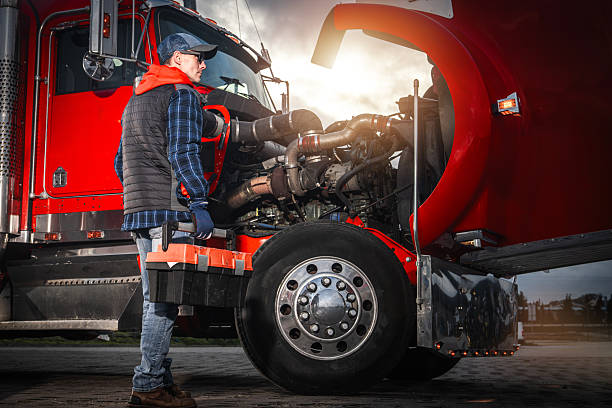
The intersection of Interstate 81 and Interstate 78 in Eastern Pennsylvania serves as the beating heart of Northeast logistics. This region, often called the “Logistics Hub,” provides unparalleled access to major consumer markets in New York City, Philadelphia, and Washington D.C. For industrial and agricultural producers, securing Bulk Hauling Services Along this corridor is a strategic necessity. In 2026, the volume of raw materials moving through this area has reached record highs, making efficient transport the difference between a thriving supply chain and a bottlenecked operation.
From the coal mines of the north to the manufacturing plants of the Lehigh Valley, the demand for high-capacity transport remains constant. This guide explores how specialized logistics providers manage the flow of materials and why the I-81 and I-78 intersection is the most critical point for Bulk Hauling Services Along the Eastern Seaboard.
The Strategic Power of the I-81 and I-78 Intersection
The geographic placement of the I-81 and I-78 corridor creates a natural siphon for freight. Interstate 81 serves as the primary north-south artery for the Appalachian region, while Interstate 78 provides a direct line to the ports of New Jersey. Bulk Hauling Services Along these routes allow companies to move massive quantities of aggregate, grain, and industrial liquids with minimal deviation from major trade paths.
Logistics experts refer to this area as the “Golden Triangle” of Pennsylvania. By positioning a fleet near Harrisburg, Allentown, or Hazleton, providers of Bulk Hauling Services Along the corridor can reach 40% of the U.S. population within a single day’s drive. This proximity reduces fuel costs and allows for more frequent rotations of heavy equipment.

Specialized Equipment for Corridor Logistics
Different materials require distinct trailer configurations. To provide elite Bulk Hauling Services Along the I-81 and I-78 hub, companies must maintain a versatile fleet that handles both dry and liquid bulk.
| Equipment Type | Common Cargo | Primary Industry |
| Aluminum Hoppers | Grains and Fertilizers | Agriculture |
| Pneumatic Tankers | Cement and Plastic Pellets | Manufacturing |
| Steel End Dumps | Scrap Metal and Large Stone | Heavy Industry |
| Walking Floors | Wood Chips and Waste | Energy / Recycling |
Maintaining this variety ensures that Bulk Hauling Services Along the corridor can adapt to the seasonal shifts of Pennsylvania’s economy. During the spring, the focus shifts to agricultural inputs, while the winter months see an increase in energy-related hauling.
Navigating the Blue Mountain Geography
The geography of the I-81 and I-78 corridor includes the challenging terrain of the Blue Mountain ridges. Drivers providing Bulk Hauling Services Along these highways must handle steep grades and winding descents, especially near the Lehigh Gap and the Susquehanna River crossings.
- Grade Management: Drivers use engine braking (Jake brakes) to maintain control without overheating the service brakes.
- Weight Distribution: Proper axle loading is critical for maintaining traction on icy mountain inclines.
- Route Planning: Dispatchers often avoid secondary mountain roads during winter storms to keep Bulk Hauling Services Along the corridor moving.
- Driver Experience: Only seasoned operators handle 80,000-pound rigs in the variable weather of the PA ridges.
Utilizing 511PA for Live Route Optimization
Traffic congestion is a reality on the I-81 and I-78 corridor. To ensure Bulk Hauling Services Along the route remain punctual, companies utilize the 511PA system. This real-time tool provides updates on accidents, construction zones, and weather-related restrictions that could impact heavy trucks.
By monitoring 511PA, a dispatcher can reroute a truck from a backup on I-78 near Allentown to a more fluid secondary route. This responsiveness is a hallmark of professional Bulk Hauling Services Along the Pennsylvania logistics hub. It ensures that the “Just-in-Time” delivery requirements of modern manufacturing are met, regardless of highway conditions.
The Role of Bulk Hauling in the Manufacturing Sector
The Lehigh Valley and Central Pennsylvania are home to a massive concentration of food processing and plastics manufacturing. Bulk Hauling Services Along the I-78 corridor deliver the raw resins, flours, and sugar needed to keep these plants operational.
These manufacturers rely on a constant cycle of incoming raw materials. Any delay in Bulk Hauling Services Along their supply lines can cause a production shutdown costing thousands of dollars per hour. Consequently, these companies prioritize haulers who offer GPS tracking and 24/7 communication. Reliability is the currency of the logistics hub.

Meeting the Demand for Construction Aggregates
Infrastructure projects in the Northeast consume millions of tons of stone and sand. Bulk Hauling Services Along the I-81 corridor move these aggregates from rural quarries to urban construction sites. Because aggregate is a low-margin, high-weight commodity, transport efficiency is the only way to remain profitable.
| Material | Use Case | Logistics Requirement |
| #57 Limestone | Concrete Production | Rapid cycle times |
| R-4 Rip Rap | Erosion Control | Heavy-duty steel trailers |
| Screened Sand | Asphalt Paving | Moisture-proof tarping |
Companies providing Bulk Hauling Services Along the corridor use high-capacity dump trailers to move the maximum legal tonnage per trip. This reduces the number of trucks on the road and lowers the carbon footprint of major construction projects.
Bio-Security and Food-Grade Transport Standards
Pennsylvania’s agricultural sector is highly sensitive to cross-contamination. Bulk Hauling Services Along the corridor that handle grain or animal feed must follow strict bio-security protocols. This is especially important when moving materials between different counties in the I-81 and I-78 hub.
Essential Sanitation Protocols
- Certified Wash-Outs: Trailers must be cleaned and dried between loads to prevent mold and bacterial growth.
- Documentation: Drivers carry “Clean-Out” certificates to prove the trailer is safe for food-grade cargo.
- Seal Integrity: Hopper gates and tarps must provide a 100% seal to prevent environmental contamination.
- Pest Control: Storage and staging areas for Bulk Hauling Services Along the hub undergo regular inspections.
Compliance with PennDOT Weight and Safety Laws
Safety enforcement is rigorous in the Pennsylvania logistics hub. State police and PennDOT officials frequently monitor Bulk Hauling Services Along I-81 and I-78 to ensure trucks comply with weight limits. A standard rig cannot exceed 80,000 pounds without specialized overweight permits.
Providers of Bulk Hauling Services Along the corridor use on-board scales to verify weights before hitting the highway. This prevents costly fines and protects the region’s bridge infrastructure from excessive wear. Adhering to these laws is a non-negotiable part of operating a professional transport firm in 2026.
The Importance of Road Bonding in Rural Hubs
Many of the pickup points for raw materials are located on rural township roads that connect to the I-81 and I-78 arteries. To provide Bulk Hauling Services Along these paths, companies often secure road bonds. This ensures the local municipality has the funds to repair any damage caused by heavy industrial traffic.
Experienced providers of Bulk Hauling Services Along the corridor handle the bonding paperwork for their clients. This administrative support allows manufacturers and producers to focus on their core business while the hauler manages the legalities of the “first mile” of the journey.
Managing Liquid Bulk and Chemical Logistics
The I-78 corridor is a primary route for chemical transport between the New Jersey ports and Pennsylvania’s industrial centers. Bulk Hauling Services Along this route require specialized tankers and HAZMAT-certified drivers. Moving industrial acids, fuels, and liquid fertilizers involves a high degree of risk management.
- Surge Control: Tankers use internal baffles to prevent the liquid from shifting and destabilizing the truck.
- Temperature Regulation: Some chemicals require insulated or heated tanks to maintain their properties.
- Emergency Response: Drivers providing Bulk Hauling Services Along the corridor undergo rigorous spill-containment training.
- Monitoring: Advanced telematics track the pressure and temperature of the cargo in real-time.
The Integration of e-Ticketing and Digital Documentation
Digital transformation has streamlined the way we manage Bulk Hauling Services Along the PA logistics hub. E-ticketing allows for the instant transfer of weight and material data from the scale house to the customer’s office. This eliminates the need for paper slips and reduces administrative errors.
In 2026, most top-tier Bulk Hauling Services Along the I-81 and I-78 corridor utilize these digital tools. They allow for real-time inventory management and faster billing cycles. For a manufacturing plant in the Lehigh Valley, this means knowing exactly how much raw material is on the yard at any given moment.
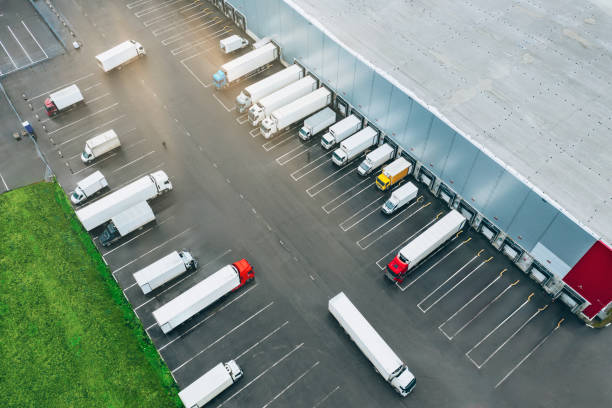
Driver Training for the I-81 and I-78 Corridors
The I-81 and I-78 intersection is known for its high traffic volume and complex interchanges. Drivers providing Bulk Hauling Services Along these routes must have exceptional situational awareness. Companies invest heavily in defensive driving programs to keep their operators and the public safe.
Beyond basic CDL requirements, these drivers receive training on navigating the specific “bottlenecks” of the corridor. Understanding the lane patterns and exit ramps of the Harrisburg and Allentown interchanges is essential for Bulk Hauling Services Along the hub. This localized knowledge prevents accidents and keeps the flow of commerce moving.
Environmental Sustainability in Pennsylvania Hauling
Logistics companies are under increasing pressure to reduce their carbon footprint. Bulk Hauling Services Along the I-81 and I-78 corridor are adopting newer, more efficient engine technologies. Some firms have even begun testing Renewable Natural Gas (RNG) trucks for short-haul runs within the hub.
By optimizing routes and reducing idle time, Bulk Hauling Services Along the corridor can significantly lower their emissions. Aerodynamic trailer designs and low-rolling-resistance tires are also becoming standard equipment. These efforts ensure that the Pennsylvania logistics hub remains competitive in a green-conscious economy.
Resilience Planning for Winter Weather
Winter in Pennsylvania can bring the I-81 and I-78 corridor to a standstill. Reliable Bulk Hauling Services Along the route must have a resilience plan for snow and ice. This includes staging equipment in strategic locations and maintaining constant communication with PennDOT regarding road salt applications.
When a storm hits, the dispatcher for Bulk Hauling Services Along the corridor becomes a central command hub. They monitor 511PA and coordinate with drivers to find safe parking or alternative routes. This level of preparation ensures that the supply chain doesn’t freeze along with the weather.
Choosing a Partner for Corridor Bulk Logistics
Selecting a provider for Bulk Hauling Services Along the I-81 and I-78 corridor is a decision that impacts your entire production cycle. You need a partner who understands the local geography, adheres to strict safety standards, and utilizes the latest technology.
A company that offers Bulk Hauling Services Along the hub should be able to demonstrate a strong safety record and a commitment to the region. By building a relationship with a localized hauling expert, you ensure that your materials move efficiently through the most important logistics hub in Pennsylvania.
Frequently Asked Questions (FAQs)
Why is the I-81 and I-78 corridor so important for logistics?
The intersection of these highways provides direct access to the entire Northeast megalopolis. Bulk Hauling Services Along this corridor can reach major ports and consumer markets faster than from any other point in the state.
How does 511PA help with bulk hauling?
511PA provides real-time data on traffic, accidents, and weather. Drivers and dispatchers for Bulk Hauling Services Along the hub use this information to avoid delays and find the safest, most efficient routes.
What are the weight limits for trucks in Pennsylvania?
The standard Gross Vehicle Weight for Bulk Hauling Services Along the corridor is 80,000 pounds. To carry more, a hauler must obtain a specialized overweight permit from PennDOT for a specific route.
How do I know if my hauler is bio-security compliant?
Ask for their trailer wash-out logs and sanitation certifications. Professional Bulk Hauling Services Along the corridor maintain these records to ensure the safety of agricultural and food-grade materials.
Can bulk hauling handle liquid chemicals?
Yes, using specialized tankers. Bulk Hauling Services Along the I-78 corridor frequently move industrial chemicals, requiring drivers with HAZMAT endorsements and specialized training in liquid dynamics and spill prevention.
What is e-Ticketing and how does it work?
E-ticketing is a digital scale slip. It allows Bulk Hauling Services Along the corridor to send weight and material data electronically, ensuring accuracy and speeding up the billing and inventory process for the customer.
[Contact Our Dispatch Team for Reliable Bulk Hauling Services Along the I-81 & I-78 Corridor]