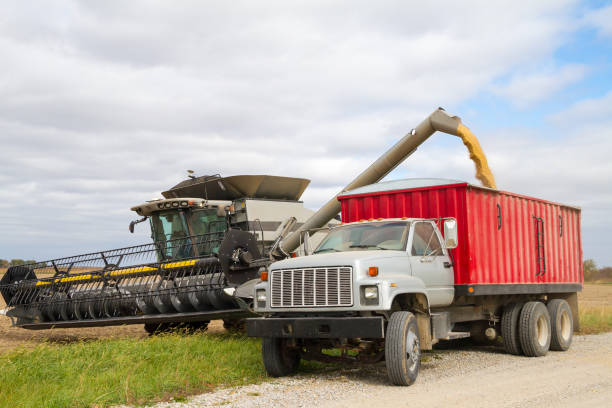
Central Pennsylvania serves as the geographic and economic engine for the state’s massive agricultural output. Within this region, Agricultural Hopper Truck Services provide the specialized logistics required to move millions of bushels of grain, corn, and wheat every year. These trucks are not merely transport vehicles; they are precision-engineered tools designed to protect the integrity of the crop while maximizing delivery speed. In 2026, the reliance on these services has grown as farms expand their reach to regional and global markets.
Operating within the “Ridge and Valley” province of the Appalachian Mountains presents unique challenges for bulk transport. This guide explores how professional Agricultural Hopper Truck Services navigate these complexities while maintaining strict compliance with state laws and safety protocols. For producers from State College to Harrisburg, selecting the right partner ensures that the hard work of the growing season translates into a successful harvest.
The Role of Hopper Trucks in the Grain Supply Chain
Agricultural Hopper Truck Services act as the primary link between the field-side grain bin and the processing mill. Unlike standard dump trucks, hopper trucks feature a unique bottom-discharge system. This allows for a controlled flow of material, which is essential when unloading into the narrow intake pits found at most Central PA elevators.
By utilizing gravity-fed discharge, Agricultural Hopper Truck Services eliminate the need for hydraulic lifting, which significantly reduces the risk of tip-over accidents on the uneven terrain common in Central Pennsylvania. This specialized design allows for larger payloads, as the lack of heavy hydraulic rams increases the legal weight capacity for actual grain.
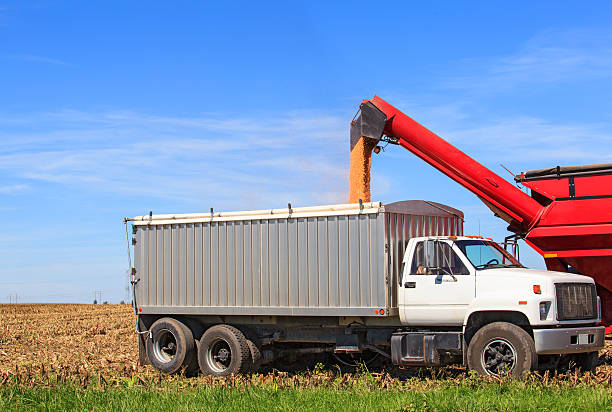
Regional History: Central PA’s Grain Legacy
The history of Central Pennsylvania is deeply rooted in the soil. Early settlers recognized the “Limestone Belt” as some of the most fertile ground in the world. As these farms grew from subsistence patches to commercial powerhouses, the demand for Agricultural Hopper Truck Services emerged to replace horse-drawn wagons and rail cars.
Many of the routes used by Agricultural Hopper Truck Services today follow the same paths carved out by early industrial grain haulers. Understanding this heritage allows modern drivers to appreciate the importance of the historic towns they pass through. This historical perspective fosters a sense of responsibility among haulers to protect the rural infrastructure that has supported the state for centuries.
Technical Specifications of the Hopper Bottom Trailer
To provide elite Agricultural Hopper Truck Services, a fleet must consist of trailers engineered for durability and precision. Most grain trailers in the region are made from high-strength aluminum to keep the “tare weight” low.
| Feature | Specification | Benefit to Farmer |
|---|---|---|
| Trailer Material | Aluminum Alloy | Higher legal payload per trip |
| Discharge Type | Dual Hopper Bottom Gates | Faster unloading at the elevator |
| Tarp System | Electric Roll Tarp | Total protection from rain and wind |
| Axle Configuration | Tandem or Spread Axle | Better weight distribution on rural roads |
These technical specifications allow Agricultural Hopper Truck Services to handle the heavy weights of wet corn while maintaining the agility needed to navigate narrow farm lanes.
Licensing and CDL Requirements for Bulk Hauling
Safety in Agricultural Hopper Truck Services starts with the person behind the wheel. In Pennsylvania, driving a tractor-trailer loaded with 80,000 pounds of grain requires a Class A Commercial Driver’s License (CDL). This license ensures that the driver has undergone rigorous testing on air brakes, combination vehicles, and pre-trip inspections.
- Class A CDL: The mandatory standard for any driver operating a traditional hopper bottom rig.
- Medical Certification: Drivers must pass a DOT physical every two years to ensure they are fit for the demands of the road.
- MSHA Training: Often required if Agricultural Hopper Truck Services involve entering quarries for lime or fertilizer loads.
- Endorsements: While not always required for grain, many drivers carry tanker or double-trailer endorsements to increase their versatility.
Utilizing 511PA for Live Traffic and Road Conditions
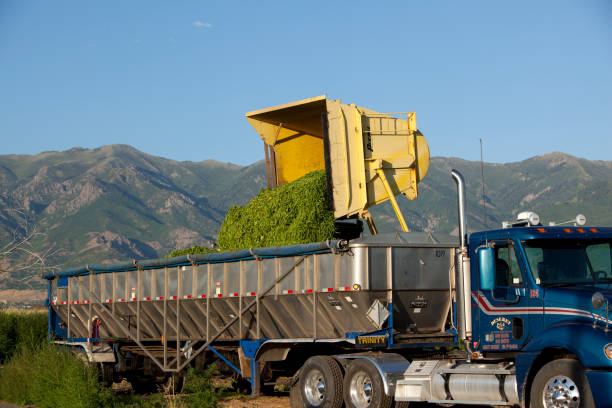
Modern Agricultural Hopper Truck Services do not rely on guesswork. Drivers and dispatchers utilize 511PA, the Commonwealth’s official traveler information service. This tool provides real-time updates on bridge closures, roadwork, and commercial vehicle restrictions across Central Pennsylvania.
By checking 511PA before a haul, Agricultural Hopper Truck Services can avoid the congestion of the I-81 corridor or identify utility outages that might affect elevator operations. This proactive approach to route management ensures that the “Fast and Reliable” promise is kept, even during the peak of the harvest season when traffic is most dense.
Navigating the “Ridge and Valley” Geography
Central Pennsylvania’s geography is a series of long, parallel ridges separated by fertile valleys. For Agricultural Hopper Truck Services, this means dealing with steep grades and winding descents. A fully loaded grain truck requires a driver who understands “engine braking” and gear management to prevent brake fade.
Route selection is a critical component of professional Agricultural Hopper Truck Services. Dispatchers often choose longer, flatter routes along the river valleys to save fuel and reduce wear on the trucks. This geographic intelligence is what separates a local expert from an out-of-state hauler who may not respect the power of the Pennsylvania mountains.
Compliance with PennDOT Weight Limits
Maintaining compliance with weight regulations is a primary responsibility for Agricultural Hopper Truck Services. PennDOT strictly enforces the 80,000-pound Gross Vehicle Weight (GVW) limit on most state roads. Overloading a truck not only risks high fines but also threatens the integrity of Central PA’s aging bridge infrastructure.
High-quality Agricultural Hopper Truck Services utilize on-board scales or frequent stops at certified CAT scales to verify their weight. This precision ensures that the farmer receives credit for every pound of grain while the hauler remains safely within the bounds of the law.
The Importance of Posted and Bonded Roads
In the rural stretches of Centre and Mifflin counties, many roads are “posted” with lower weight limits to protect the pavement from seasonal damage. To provide Agricultural Hopper Truck Services on these routes, companies must often obtain a bond or an Excess Maintenance Agreement (EMA).
Understanding the Bonding Process
- Site Survey: PennDOT inspects the road before the hauling season begins.
- Financial Security: The hauling company provides a bond to cover potential road repairs.
- Permit Issuance: Once the bond is in place, the trucks receive a permit to travel the restricted route.
- Maintenance Fees: Haulers may pay a per-ton fee that goes toward local road upkeep.
This system ensures that Agricultural Hopper Truck Services can reach the most remote farms without permanently damaging the local transport network.
Managing Grain Quality and Cleanliness
Reliability in Agricultural Hopper Truck Services extends to the cleanliness of the trailer. Grain is a food-grade commodity, and contamination can lead to an entire load being rejected at the mill.
Professional haulers follow a strict “clean-out” protocol between loads. If a truck previously moved fertilizer or a different grain variety, the driver must thoroughly sweep or wash the hoppers. This attention to detail is why specialized Agricultural Hopper Truck Services are preferred over general-purpose dump trucks, which may have carried dirt or stones previously.
Cycle Time Optimization for Peak Harvest
During the harvest, the combine never stops. Therefore, the Agricultural Hopper Truck Services must maintain a constant cycle. Cycle time is the duration it takes for a truck to load at the field, travel to the elevator, unload, and return.
| Cycle Stage | Common Delay | Efficiency Strategy |
|---|---|---|
| Loading | Soft ground in the field. | Using gravel-packed staging areas. |
| Transit | Traffic on Route 322 or I-81. | Utilizing 511PA for route diversions. |
| Unloading | Long lines at the scale house. | Coordinating deliveries with elevator managers. |
| Return | Empty miles (Deadheading). | Finding “back-haul” loads of fertilizer or feed. |
By optimizing each stage, Agricultural Hopper Truck Services ensure that the farmer’s bins never overflow.
Safety Standards for High-Capacity Unloading
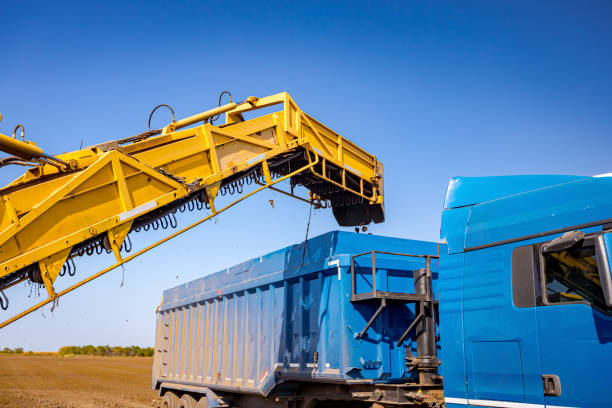
Unloading a hopper truck is a technical process that requires focus. The driver must align the trailer’s gates perfectly over the intake grate. Professional Agricultural Hopper Truck Services prioritize safety during this phase to avoid grain spills or mechanical damage to the elevator’s equipment.
Drivers must also be wary of “bridging” within the trailer. This occurs when grain sticks to the sides and then collapses all at once. An experienced driver in the Agricultural Hopper Truck Services sector knows how to safely vibrate or tap the trailer to ensure a smooth, consistent flow without putting themselves or others at risk.
Tarping Laws and Section 4903 Compliance
Pennsylvania Vehicle Code Section 4903 requires all bulk loads to be covered to prevent material from blowing onto the highway. Agricultural Hopper Truck Services utilize heavy-duty tarps to comply with this law and to protect the grain from rain.
- Weather Protection: A single rain shower can ruin a load of dry wheat.
- Road Safety: Tarps prevent grain from creating slick spots on the pavement for other drivers.
- Environmental Protection: Keeping grain off the road prevents the attraction of rodents and birds to the highway.
- Legality: Proper tarping prevents the driver from receiving costly DOT citations.
The Utility of Real-Time Dispatching Tools
The best Agricultural Hopper Truck Services in Central Pennsylvania use digital dispatching platforms. These tools allow the driver to receive “field-to-gate” directions and e-Tickets instantly. For the farmer, this means they can track the location of their grain in real-time on a smartphone app.
These tools also allow Agricultural Hopper Truck Services to react quickly to outages at a specific mill. If an elevator’s intake leg breaks down, the dispatcher can reroute all trucks to an alternative location before they even leave the farm, saving hours of wasted time.
Communication: The Driver-Farmer Partnership
At its core, providing Agricultural Hopper Truck Services is a relationship business. The driver must communicate effectively with the combine operator to ensure the truck is loaded to the correct weight without overfilling.
In Central Pennsylvania, many drivers have agricultural backgrounds themselves. This shared experience makes the Agricultural Hopper Truck Services more effective, as the driver understands the pressure the farmer is under during a tight harvest window. Good communication ensures that the logistics remain a “silent” part of a successful operation.
Choosing a Long-Term Logistics Partner
Selecting a provider for Agricultural Hopper Truck Services is a decision that affects the entire year’s profitability. Producers should look for companies with a deep history in Central Pennsylvania and a modern, well-maintained fleet.
A reliable partner offers more than just a truck; they offer the peace of mind that the harvest will reach its destination safely. By investing in professional Agricultural Hopper Truck Services, Central PA farmers secure their place in the state’s vibrant agricultural future.
Frequently Asked Questions (FAQs)
What is the advantage of a hopper truck over a dump truck?
The primary advantage of Agricultural Hopper Truck Services is the bottom-discharge system. It allows for safer unloading in height-restricted areas and prevents the tip-over risks associated with raising a dump bed on uneven farm ground.
How do I check for road closures in Central PA?
Drivers and farmers should use the 511PA app or website. It provides real-time data on traffic, weather-related closures, and commercial vehicle restrictions, which is vital for planning Agricultural Hopper Truck Services.
Is a Class A CDL required for all grain hauling?
Yes, for standard tractor-trailer configurations. While Pennsylvania offers some farm exemptions for farmers moving their own crops, professional Agricultural Hopper Truck Services always utilize Class A CDL drivers for insurance and safety compliance.
How does weather affect hopper truck deliveries?
Rain and snow are the biggest challenges. Professional Agricultural Hopper Truck Services use waterproof electric tarps to ensure the grain stays dry. During winter, drivers also monitor 511PA for icy conditions on steep ridge roads.
Can hopper trucks be used for fertilizer too?
Yes, many Agricultural Hopper Truck Services move bulk fertilizer and lime during the spring planting season. However, the trailers must undergo a thorough clean-out to ensure no chemicals contaminate future grain loads.
[Contact Our Team for Professional Agricultural Hopper Truck Services]