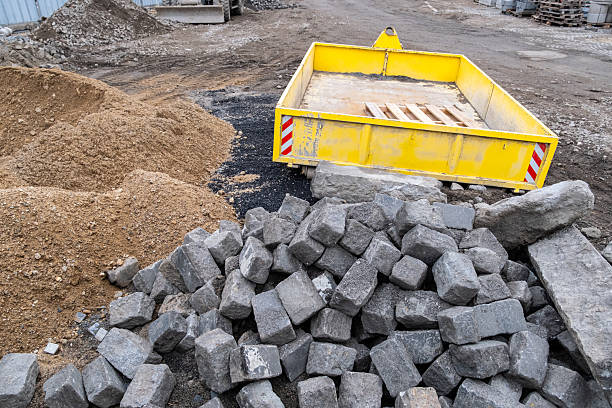
Navigating the complex infrastructure of the Keystone State requires a robust logistical backbone, particularly when it involves the movement of raw materials. Commercial Aggregate Transport Services are the essential link between Pennsylvania’s rich mineral quarries and the construction sites that define its growing skyline. Whether you are managing a PennDOT highway expansion or a private commercial development, understanding the nuances of these services is critical for project success.
In 2026, the demand for Aggregate Transport Services surged alongside new federal infrastructure investments. This guide provides a comprehensive look at the standards, equipment, and strategic planning required to move millions of tons of stone, sand, and gravel across the Commonwealth efficiently and safely.
The Role of Commercial Aggregate Transport Services in Infrastructure
The primary objective of Commercial Aggregate Transport Services is to ensure that the volume of material required for large-scale projects is delivered with mathematical precision. In Pennsylvania, where construction seasons are dictated by the freeze-thaw cycle, the timing of these deliveries is paramount. A delay in aggregate arrival can stall a paving crew, leading to thousands of dollars in lost labor hours.
Professional Aggregate Transport Services act as more than just a delivery arm; they are a logistical partner. They manage the flow of traffic, coordinate with quarry dispatchers, and ensure that the material grades meet the specific engineering requirements of the site. Without these specialized services, the massive scale of Pennsylvania’s industrial growth would be impossible to sustain.

Evaluating Fleet Versatility for Pennsylvania Terrain
Pennsylvania’s topography ranges from the coastal plains of the southeast to the rugged Appalachian Mountains in the center and west. To navigate this, Commercial Aggregate Transport Services must maintain a versatile fleet of vehicles. A one-size-fits-all approach to hauling is a recipe for failure in a state with such diverse road conditions.
When selecting Aggregate Transport Services, contractors must look for providers that offer a mix of tri-axle trucks, end-dump trailers, and live-bottom units. This variety allows the transport service to match the equipment to the specific constraints of the job site, whether it is a narrow city street in Philadelphia or a steep mountain pass near State College.
Material Specialization in Commercial Hauling
The types of materials moved by Commercial Aggregate Transport Services are as varied as the projects they support. Each material has its own density and “flow” characteristics that dictate how it should be transported and dumped.
- Crushed Limestone: The workhorse of PA construction, used for road bases and concrete.
- AASHTO Grades: Specifically graded stones that meet American Association of State Highway and Transportation Officials standards.
- Anti-Skid Materials: Essential for Pennsylvania winters, these aggregates are transported in high volumes to municipal salt sheds.
- Recycled Aggregates: Reclaimed asphalt and crushed concrete that require careful handling to avoid contamination.
Understanding Weight Compliance and PennDOT Regulations
Safety and legality are the twin pillars of Aggregate Transport Services. Pennsylvania has strict Bridge Formula laws and Gross Vehicle Weight (GVW) restrictions. Transporting materials above legal limits not only risks heavy fines but also causes premature wear on the state’s bridge infrastructure.
Reputable Commercial Aggregate Transport Services utilize on-board scales and advanced telemetry to ensure every load is optimized for payload without crossing the legal threshold. This precision ensures that the project remains compliant with PennDOT regulations while maximizing the efficiency of every trip from the quarry to the site.
Logistics Coordination and Quarry Turnaround Times
The efficiency of Aggregate Transport Services is often measured by “cycle time.” This is the total time it takes for a truck to travel from the site to the quarry, load, and return. Minimizing this time is the goal of every professional dispatcher.
| Logistics Factor | Impact on Service | Optimization Strategy |
| Quarry Queuing | Can add 30 to 60 minutes of delay. | Scheduling “first-out” morning loads. |
| Route Congestion | High risk on I-81 and I-76. | Using real-time GPS routing software. |
| Loading Speed | Varies by quarry equipment. | Partnering with high-volume producers. |
| Site Unloading | Dependent on site preparation. | Ensuring clear dumping paths for drivers. |
The Integration of Technology in Commercial Aggregate Transport Services
By 2026, technology has become deeply embedded in the operations of Aggregate Transport Services. Real-time GPS tracking allows site managers to see exactly where their material is at any given moment. This transparency is vital for “just-in-time” delivery models where space for stockpiling is limited.

Furthermore, digital e-Ticketing has replaced the traditional paper slip system. When Commercial Aggregate Transport Services utilize e-Ticketing, the weight and material data are sent instantly from the quarry scales to the contractor’s back office. This reduces administrative errors and ensures that billing is based on verified, real-time data.
Safety Protocols for Industrial Aggregate Unloading
Unloading 22 tons of stone is a high-risk activity that requires strict adherence to safety protocols. Commercial Aggregate Transport Services prioritize driver training to prevent tip-over accidents, which are a common hazard when using end-dump trailers on uneven ground.
- Level Ground Verification: Drivers must assess the stability of the dumping area before engaging hydraulics.
- Overhead Clearance: Constant vigilance regarding power lines and low-hanging tree branches.
- Spotter Communication: Using standardized hand signals or radio contact to guide the truck into position.
- Exclusion Zones: Ensuring all ground personnel stay well away from the “tip zone” during the dump cycle.
Cost Analysis: Factors Affecting Per-Ton Rates
When budgeting for Aggregate Transport Services, it is important to understand the components of a hauling quote. The price is rarely a flat fee; it is a calculation based on several dynamic variables that can change week to week.
- Base Haul Rate: The fundamental cost of the truck and driver time.
- Fuel Surcharge: A percentage that fluctuates with the price of diesel in the PA region.
- Tolls: Costs incurred on the PA Turnpike or various bridge crossings.
- Standby Fees: Charges applied if a truck is delayed at the job site for an extended period.
Regional Hubs for Commercial Aggregate Transport Services
Pennsylvania is traditionally divided into several key logistics regions, each with its own supply and demand characteristics for Commercial Aggregate Transport Services.
Eastern PA (Lehigh Valley/Philadelphia)
This region sees the highest demand for Aggregate Transport Services due to massive warehouse construction and highway projects like the I-95 reconstruction. Traffic management is the primary challenge here, requiring night-haul operations to maintain schedules.
Central PA (Harrisburg/Lancaster)
Centered around the state capital, this region acts as a hub for Aggregate Transport Services moving material to various state agency projects. Proximity to major limestone quarries often results in more competitive per-ton rates compared to the metro areas.
Equipment Maintenance and Fleet Reliability
A breakdown on the road is a disaster for both the hauler and the contractor. Top-tier Aggregate Transport Services invest heavily in preventative maintenance. This includes regular inspections of hydraulic systems, tires, and braking mechanisms, which are put under extreme stress when moving heavy aggregates.
Reliability is a hallmark of professional Aggregate Transport Services. When a company maintains a modern, well-serviced fleet, they reduce the risk of unexpected downtime. This ensures that the flow of material to the project remains constant, supporting the overall project timeline and protecting the contractor’s bottom line.
Environmental Sustainability in Aggregate Logistics
In 2026, environmental considerations are a major factor in Aggregate Transport Services. Many state and municipal contracts now include “green” requirements, such as the use of low-emission engines or the reduction of idle times.
Forward-thinking Commercial Aggregate Transport Services are adopting route-optimization AI to reduce “deadhead” miles (miles driven with an empty truck). By maximizing the efficiency of every mile traveled, these services lower the carbon footprint of the project while simultaneously reducing fuel costs for the client.
Comparing End-Dump vs. Live-Bottom Trailers
In the realm of Commercial Aggregate Transport Services, the choice of trailer can affect site safety and efficiency.
| Trailer Type | Best For | Safety Benefit |
| End-Dump | High-volume stockpiling. | Simple mechanical operation. |
| Live-Bottom | Paving and low-clearance areas. | No tipping risk; material is moved by conveyor. |
| Tri-Axle | Tight residential or urban sites. | Superior maneuverability in small spaces. |
Expert Commercial Aggregate Transport Services will consult with the contractor to determine which trailer type is best suited for the specific dumping conditions at the site.
Managing Peak Season Demand in Pennsylvania
The Pennsylvania construction season typically runs from April to November. During these months, the demand for Commercial Aggregate Transport Services can exceed the available supply. Contractors who do not secure their hauling capacity early often face delays or premium pricing.
Peak Season Strategies
- Pre-Booking: Securing a dedicated number of trucks months in advance of a project start.
- Night Hauling: Utilizing off-peak hours to avoid traffic and ensure more turns per shift.
- Inventory Buffering: Building on-site stockpiles during slower periods to hedge against transport shortages.
- Multi-Source Logistics: Coordinating Commercial Aggregate Transport Services from multiple quarries to ensure a steady supply if one location faces a shutdown.
The Importance of Driver Professionalism and Licensing
The person behind the wheel is the face of the Aggregate Transport Services provider. Professional CDL (Commercial Driver’s License) holders are required to manage 80,000-pound vehicles safely through traffic and on difficult job sites.
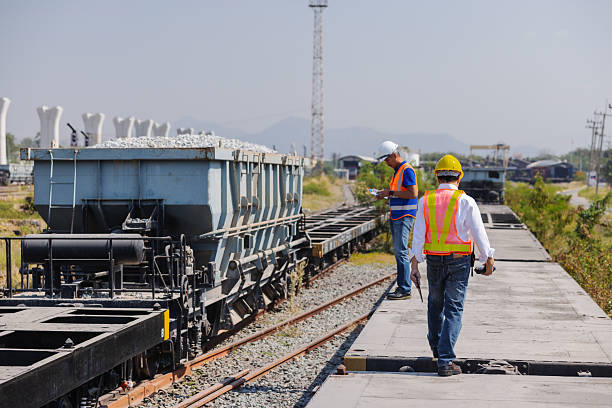
Training and professionalism are what distinguish premium Commercial Aggregate Transport Services. Drivers who understand site safety protocols, respect local noise ordinances, and communicate effectively with site foremen add immense value to a project. This human element is often what ensures a complex logistics plan is executed without a hitch.
Verification of Insurance and Liability Coverage
Before engaging Commercial Aggregate Transport Services, it is essential to verify their insurance status. Bulk hauling involves significant risks, and a partner must have robust coverage to protect all parties involved.
- General Liability: Coverage for property damage or injury on the job site.
- Commercial Auto: Specific coverage for the heavy vehicles used in transport.
- Workers’ Compensation: Ensuring drivers are covered in the event of an on-the-job injury.
- Cargo Insurance: Protecting the value of the aggregate material while in transit.
Conclusion: Selecting Your Transport Partner
Choosing the right provider for Commercial Aggregate Transport Services in Pennsylvania is a strategic decision that impacts the safety, timeline, and budget of your project. As infrastructure demands continue to grow, the need for reliable, tech-forward, and safety-conscious hauling partners has never been higher.
By understanding the equipment, regulations, and logistics discussed in this guide, you can confidently navigate the market for Commercial Aggregate Transport Services. Whether your project is in the heart of a city or the depths of the rural countryside, the right transport partner will ensure that your foundation is built on solid ground.
Frequently Asked Questions (FAQs)
What is the average lead time for booking Commercial Aggregate Transport Services?
For medium to large projects, it is recommended to contact Commercial Aggregate Transport Services at least 1 to 2 weeks in advance. For major highway or industrial work, securing a contract months ahead of time is standard practice to ensure fleet availability during peak season.
Do Commercial Aggregate Transport Services provide the material too?
Some companies offer a “delivered price” which includes both the stone and the transport. Others focus purely on the logistics, where the contractor pays the quarry for the material and pays the Commercial Aggregate Transport Services for the move. Both models are common in Pennsylvania.
How are fuel surcharges calculated in PA?
Fuel surcharges for Commercial Aggregate Transport Services are typically based on the weekly Energy Information Administration (EIA) diesel price index for the Central Atlantic region. This ensures that pricing remains fair for both the hauler and the client as global oil prices fluctuate.
Can these services deliver to residential areas?
Yes, but they often require smaller equipment like tri-axle trucks. Professional Commercial Aggregate Transport Services will perform a site assessment to ensure their vehicles can safely enter and exit a residential neighborhood without damaging sidewalks or underground utilities.
What happens if a truck is delayed at the quarry?
Delays at the quarry are a common challenge. Leading Commercial Aggregate Transport Services maintain close communication with quarry dispatchers to provide real-time updates to the site. If a delay is significant, they may reroute trucks to an alternative quarry to maintain the project schedule.
[Request a Custom Quote for Commercial Aggregate Transport Services Today]