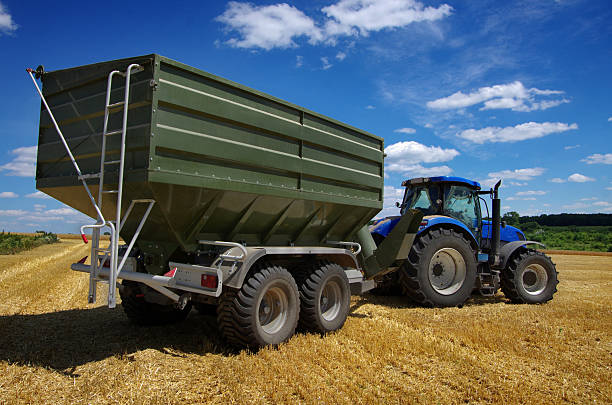
The agricultural heart of the Keystone State beats through its vast fields of corn, soybeans, and wheat. For the modern farmer, the challenge is not just in the growing, but in the logistics of the move. Grain Hauling Services in Pennsylvania represent a critical infrastructure that links local family farms to the global supply chain. In 2026, as precision agriculture becomes the standard, the transport of these bulk commodities requires a blend of historical knowledge and high-tech logistical tools to ensure that every bushel is accounted for and delivered with zero waste.
Navigating the transition from field to elevator involves more than just a truck and a driver. It requires an understanding of Pennsylvania’s specific regulatory environment, the physical properties of different grain types, and the seasonal rhythms that dictate the state’s economy. This guide provides a technical and localized look at how Grain Hauling Services in Pennsylvania operate at peak efficiency during the most demanding times of the year.
The Historical Evolution of PA Grain Transport
Pennsylvania has a deep agricultural lineage that predates the industrial revolution. From the early German settlers in Lancaster County to the massive commercial operations in the Susquehanna Valley today, grain has always been the lifeblood of the region. Originally, grain was moved via the state’s canal systems and early wooden wagons. Today, Grain Hauling Services in Pennsylvania utilize advanced articulated vehicles that can carry over 800 bushels of corn in a single trip.
This evolution from river transport to high-speed highway hauling has shaped the layout of our rural towns. Many small communities grew around the central grain elevator, and the roads connecting them were specifically designed for agricultural flow. Understanding this history helps modern haulers appreciate the importance of the routes they travel and the “posted” road laws that protect these historic corridors.
Seasonal Rhythms: Timing Your Grain Logistics
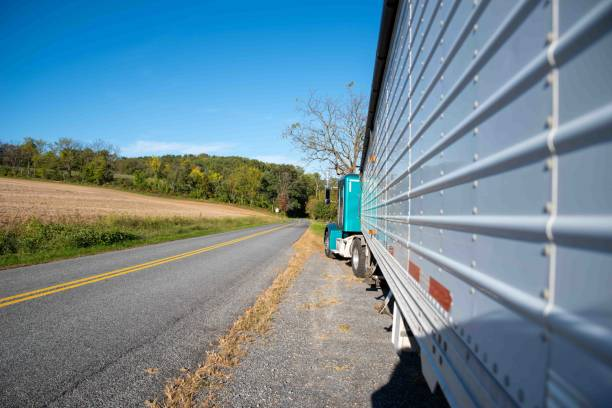
The demand for Grain Hauling Services in Pennsylvania is strictly dictated by the crop cycle. Unlike aggregate or industrial waste, grain must be moved according to the moisture content and ripeness of the plant.
- Winter Wheat (July): The first major surge in hauling occurs mid-summer. Wheat requires dry conditions and rapid transport to prevent spoilage from sudden summer storms.
- Soybean Harvest (September to October): Soybeans are sensitive to moisture and must be moved quickly once they reach the 13% moisture threshold.
- Corn Harvest (October to December): The “Big Push” for Pennsylvania haulers. Corn represents the largest volume of material moved, often requiring 24/7 hauling operations to clear the fields before the first deep freeze.
- Off-Season Moves (January to June): During the winter and spring, Grain Hauling Services in Pennsylvania focus on moving stored grain from bins to processors as market prices fluctuate.
Licensing Requirements: Class A vs. Class B CDL
Navigating the confusing world of commercial licensing is a major hurdle for new haulers. To operate legally within the realm of Grain Hauling Services in Pennsylvania, drivers must hold the correct Commercial Driver’s License (CDL).
| License Class | Capability | Relevance to Grain Hauling |
| Class A | Vehicles 26,001+ lbs; Trailers > 10,000 lbs. | Required for tractor-trailers and hopper bottoms. |
| Class B | Single vehicles > 26,000 lbs; Trailers < 10,000 lbs. | Common for straight trucks or “ten-wheelers.” |
| H (Hazardous) | Not typically required for grain. | May be needed if hauling liquid fertilizers. |
| Farm Exemption | Restricted mileage from the farm. | Applies to farmers hauling their own crop within 150 miles. |
For most professional Grain Hauling Services in Pennsylvania, a Class A CDL is the industry standard, as it allows the driver to pull high-capacity hopper trailers that maximize the weight of every load.
Utilizing 511PA for Route Optimization
Real-time data is the driver’s best friend. In 2026, Grain Hauling Services in Pennsylvania rely heavily on the 511PA system. This tool provides a live map of traffic speeds, weather restrictions, and PennDOT snowplow locations. For a grain hauler, knowing that a bridge on a rural state route is closed for emergency repairs can save hours of idling and gallons of fuel.
Drivers can customize 511PA alerts to their specific routes. If you are hauling wheat from Lebanon to the Port of Philadelphia, receiving a text alert about a stoppage on the PA Turnpike allows you to pivot to a secondary route before getting stuck in a backup. This level of utility is what distinguishes Fast and Reliable Aggregate Delivery Services and grain transport professionals from amateur operators.
The Engineering of the Hopper Bottom Trailer
In the world of Grain Hauling Services in Pennsylvania, the hopper bottom (or grain trailer) is the king of the road. These trailers are engineered with funnel-shaped bays at the bottom, allowing the grain to flow out via gravity when the gates are opened.
The design is specialized for “clean” flow. Unlike an end dump truck, which can be used for rocks and debris, a hopper trailer is strictly for free-flowing commodities. This specialization allows for a lighter trailer weight, which in turn permits a higher payload of corn or soybeans while staying under PennDOT’s 80,000-lb gross weight limit.
Weight Compliance and PennDOT Road Bonding
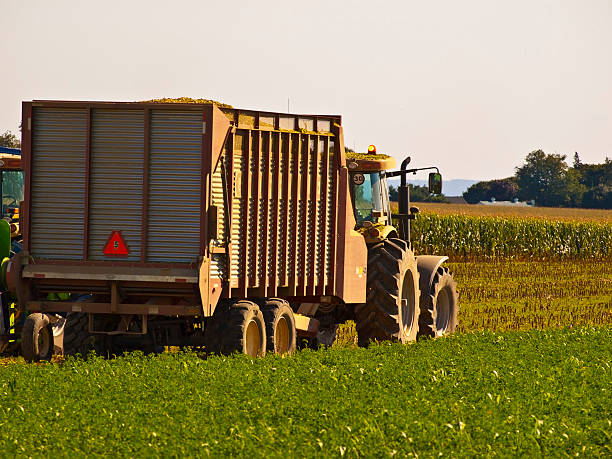
Pennsylvania’s “Posted and Bonded” road system is a unique challenge for Grain Hauling Services in Pennsylvania. Many rural roads have weight limits intended to prevent heavy trucks from crushing the pavement or damaging the sub-base.
The Bonding Process for Haulers
- Excess Maintenance Agreement (EMA): Haulers must enter into an EMA with PennDOT to travel on restricted roads.
- Security Funds: A bond or letter of credit is provided to cover potential road damage.
- Route Inspection: PennDOT inspects the road before and after the hauling season.
- Maintenance Responsibility: If a grain truck causes a “pothole blowout,” the bonding entity may be responsible for the repair costs.
Managing Grain Moisture and Load Quality
Reliability in Grain Hauling Services in Pennsylvania isn’t just about the truck; it’s about the condition of the cargo. Grain is a living commodity that can heat up, mold, or sprout if not handled correctly.
Haulers must ensure their trailers are perfectly clean and dry before loading. A small amount of moisture left from a previous rain or a few leftover kernels of a different crop can lead to a “rejection” at the elevator. High-quality Grain Hauling Services in Pennsylvania use heavy-duty, waterproof tarps to protect the load from the unpredictable PA weather, ensuring the moisture levels recorded at the field match the levels at the final destination.
The Logistics of the “Turnaround” Time
In the peak of the harvest, every minute counts. The efficiency of Grain Hauling Services in Pennsylvania is often measured by the “turnaround” at the elevator. During a record-breaking corn harvest in York or Lancaster, wait times at the scale house can reach several hours.
Expert dispatchers use real-time communication to steer trucks toward elevators with shorter lines. By diversifying the delivery points and coordinating with site managers, Grain Hauling Services in Pennsylvania can maximize the number of loads each truck completes in a day, which is essential for clearing a field before an incoming storm.
Understanding Tarping Laws: Section 4903
In Pennsylvania, the law is clear: every load of bulk material must be covered. Section 4903 of the PA Vehicle Code dictates that any vehicle hauling grain must have a cover that prevents the material from escaping.
Professional Grain Hauling Services in Pennsylvania utilize automated electric tarps. These allow the driver to cover and uncover the load from inside the cab, improving safety and reducing the time spent at the loading point. Failure to properly tarp a load can result in significant fines and, more importantly, creates a safety hazard for other motorists on the road.
Regional Variations: East vs. West PA Hauling
The logistics of Grain Hauling Services in Pennsylvania change as you cross the Susquehanna River.
| Region | Primary Crops | Logistics Challenge |
| Southeastern PA | Corn, Soybeans, Wheat | High traffic density and narrow historic roads. |
| Central PA | Dairy Feed, Silage | Steep mountain grades and winter ice. |
| Western PA | Corn, Industrial Grain | Integration with river barge terminals. |
Western PA haulers often coordinate with the Port of Pittsburgh, where grain is transferred from trucks to barges for transport down the Ohio River. In contrast, Southeastern haulers are more likely to deliver to large-scale poultry and livestock feed mills.
Equipment Maintenance for Harvest Durability
A breakdown during the three-week window of the soybean harvest is a financial catastrophe. Grain Hauling Services in Pennsylvania prioritize preventative maintenance to ensure their fleet is battle-ready.
- Tire Pressure Management: Essential for avoiding blowouts on hot summer days.
- Brake Inspections: Pennsylvania’s hills put immense strain on the braking systems of fully loaded grain rigs.
- Hydraulic Gate Lubrication: Ensuring the hopper gates open smoothly at the elevator.
- Tarp Integrity: Checking for small tears that could allow rain to ruin a load of wheat.
The Impact of Local History on Route Selection
When providing Grain Hauling Services in Pennsylvania, understanding the history of local townships can prevent logistical headaches. Many older towns, like Gettysburg or Strasburg, have historic districts with strict vibration and weight ordinances.
Experienced haulers know which bypasses to take to avoid disturbing these sensitive areas. This respect for local history and community standards is a hallmark of a professional service. By being a “good neighbor,” Grain Hauling Services in Pennsylvania maintain a positive reputation for the agricultural industry as a whole.
Digital e-Ticketing and Compliance
The days of paper scale tickets are fading. By 2026, many of the largest grain buyers in PA have moved to digital e-Ticketing.
Professional Grain Hauling Services in Pennsylvania use mobile apps that sync with the elevator’s scales. This provides the farmer with instant notification of the load’s weight and moisture content. Digital record-keeping also ensures that DOT compliance is easier to manage, as all weight data is stored in the cloud for audit purposes.
Safety First: Working Near Overhead Wires
Grain bins and elevators are often surrounded by complex electrical infrastructure. A major safety protocol for Grain Hauling Services in Pennsylvania involves “looking up.”
While hopper trailers do not lift into the air like end dumps, they are still tall vehicles. Drivers must be vigilant about low-hanging wires when maneuvering around older farmsteads. Maintaining a clear line of communication with a ground spotter is a standard safety requirement when navigating tight loading zones.
Conclusion: Supporting the PA Farm Economy
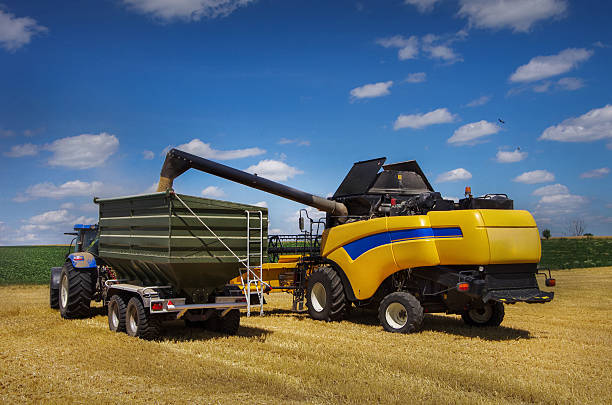
Grain Hauling Services in Pennsylvania are more than just a trucking niche; they are a vital support system for the state’s largest industry. By combining technical expertise in weight compliance and licensing with a deep respect for the region’s agricultural history, these services ensure that Pennsylvania’s harvest reaches the world.
Whether it is the rapid move of July wheat or the grueling winter corn haul, the professionals behind Grain Hauling Services in Pennsylvania keep the gears of the economy turning. As technology continues to improve, the efficiency and safety of these moves will only grow, solidifying Pennsylvania’s role as a leader in American agriculture.
Frequently Asked Questions (FAQs)
What is the difference between grain hauling and aggregate hauling?
Grain hauling is the transport of biological commodities (corn, wheat, soybeans) using specialized hopper trailers. Aggregate hauling involves minerals and rocks, typically using end-dump or tri-axle trucks. Grain Hauling Services in Pennsylvania require much higher levels of trailer cleanliness to prevent crop contamination.
Do I need a special permit to haul grain in PA?
If you are stay within legal weight limits (usually 80,000 lbs), a standard registration is sufficient. However, if you are traveling on “posted” roads, you will need a permit and an Excess Maintenance Agreement (EMA) from PennDOT.
How does 511PA help grain truck drivers?
511PA provides real-time updates on road closures, accidents, and weather conditions. For Grain Hauling Services in Pennsylvania, this tool is essential for avoiding traffic jams that could lead to engine idling and wasted fuel during the time-sensitive harvest season.
Can a farmer drive their own grain truck without a CDL?
Pennsylvania provides a “Farm Exemption” for farmers and their employees. They can operate a commercial vehicle within 150 miles of their farm to transport their own products without a CDL, provided they meet certain criteria. However, most commercial Grain Hauling Services in Pennsylvania require professional CDL drivers for insurance and safety reasons.
What is the most common crop moved by these services?
Corn represents the highest volume by weight and bushel. Because Pennsylvania has a massive livestock industry, a significant portion of the Grain Hauling Services in Pennsylvania work involves moving corn from fields to local feed mills.
[Request a Consultation for Professional Grain Hauling Services in PA]