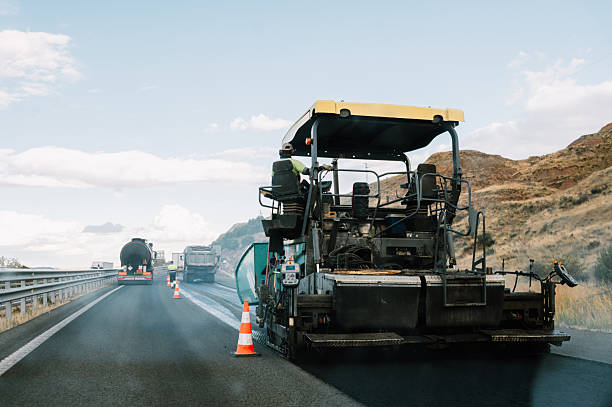
Pennsylvania serves as a primary hub for the nation’s heavy industry, energy production, and large-scale manufacturing. Finding reliable Transport Services for Heavy Materials is a critical task for project managers and procurement officers across the Commonwealth. Whether you need to move thousands of tons of aggregate for a highway project or transport raw coal to a river terminal, the logistics must be precise. In 2026, the complexity of Pennsylvania’s infrastructure requires a sophisticated approach to selecting the right hauling partner.
Navigating the landscape of Bulk Transport Services for Heavy Materials involves more than just comparing price quotes. You must evaluate a provider’s equipment fleet, safety record, and knowledge of local geography. This guide provides a comprehensive framework for identifying, vetting, and securing the best transport solutions for your industrial needs in the Keystone State.
Assessing Your Project Cargo Requirements
The first step in your search for Transport Services for Heavy Materials is a deep dive into the nature of your cargo. Not all bulk materials behave the same way during transit. Fine powders like fly ash require pneumatic systems, while heavy rip-rap stone requires reinforced steel dump bodies.
When you define your needs, be specific about the volume, density, and flowability of the material. Reliable Bulk Transport Services for Heavy Materials will ask for these details to ensure they dispatch the correct trailer type. Failing to match the equipment to the material can lead to “bridging” in the hopper or, worse, structural damage to the trailer itself.
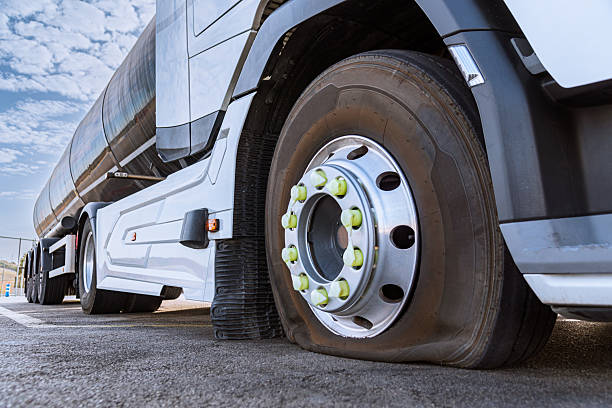
Searching for Providers with Regional Expertise
Pennsylvania’s geography varies wildly from the flat plains of the southeast to the rugged Allegheny Mountains. You should prioritize Bulk Transport Services for Heavy Materials that demonstrate extensive experience in your specific region. A driver who excels at navigating the urban tight spots of Philadelphia might struggle with the steep, unpaved haul roads of a northern Pennsylvania timber stand.
Regional expertise also includes a deep understanding of local township laws. Top-tier Bulk Transport Services for Heavy Materials maintain relationships with local municipalities, which streamlines the process of securing road bonds or excess maintenance agreements. This local “intel” prevents your project from being sidelined by unexpected local restrictions.
Verifying Fleet Diversity and Maintenance Standards
A hauling company is only as good as its weakest link. When vetting Transport Services for Heavy Materials, you should request a fleet list. A diverse fleet indicates that the company can handle multiple phases of an industrial project, from initial site clearing to the delivery of finished raw materials.
| Trailer Type | Best Application | Benefit |
|---|---|---|
| Aluminum Hopper | Grains and Dry Pellets | Maximizes legal payload |
| Steel End Dump | Heavy Rock and Scrap Metal | Resists impact and abrasion |
| Pneumatic Tanker | Cement and Fine Powders | Dust-free, pressurized delivery |
| Lowboy Trailer | Industrial Machinery | Handles over-dimensional loads |
Furthermore, ask about their maintenance intervals. Bulk Transport Services for Heavy Materials operate under extreme stress; therefore, a rigorous preventative maintenance program is essential to prevent roadside breakdowns that stall your operations.
Evaluating Safety Records and DOT Compliance
Safety is the most important metric when selecting Bulk Transport Services for Heavy Materials. You can access a provider’s safety record through the Federal Motor Carrier Safety Administration (FMCSA) website. Look for their CSA (Compliance, Safety, Accountability) scores, specifically in the categories of vehicle maintenance and driver fitness.
High-quality Bulk Transport Services for Heavy Materials will proactively share their safety data with potential clients. They should also provide proof of high-limit cargo insurance. Moving heavy materials involves significant risk, and you must ensure your hauling partner carries enough coverage to protect your investment in the event of an accident.
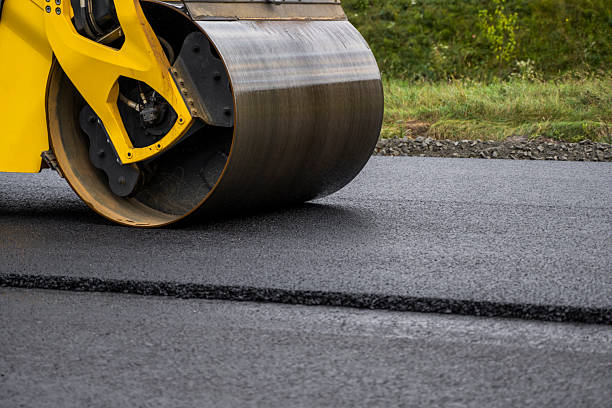
Utilizing 511PA to Verify Route Reliability
In 2026, technology plays a major role in how we find and evaluate Bulk Transport Services for Heavy Materials. Ask potential providers how they use tools like 511PA to manage their routes. This PennDOT system provides real-time alerts on accidents, winter road conditions, and commercial vehicle restrictions.
- Real-Time Rerouting: Does the company have a dispatch center that monitors 511PA 24/7?
- Weather Preparedness: How do they handle the sudden lake-effect snows that impact I-90 or I-80?
- Bridge Restrictions: Can they demonstrate a history of navigating the state’s thousands of weight-restricted bridges safely?
- Traffic Management: Do they use data to avoid peak congestion times in hubs like Pittsburgh and Allentown?
A company that effectively integrates 511PA data into its operations provides a higher level of Bulk Transport Services for Heavy Materials.
The Importance of Posted and Bonded Road Knowledge
Many of Pennsylvania’s most productive industrial sites sit on rural, “posted” roads. If you need Bulk Transport Services for Heavy Materials for a site in a rural township, the hauler must be prepared to post a bond. This financial guarantee ensures that the township can repair any damage the heavy trucks cause to the pavement.
Experienced providers of Bulk Transport Services for Heavy Materials handle the bonding process internally. They work with township supervisors to inspect the road before and after the project. If a hauler seems confused by the concept of road bonding, they likely lack the experience necessary to operate in Pennsylvania’s rural industrial landscape.
Checking for Specialized Driver Certifications
The driver is the person who ultimately delivers the Bulk Transport Services for Heavy Materials. You should inquire about the company’s hiring and training standards. For heavy industrial loads, a standard Class A CDL is just the baseline.
- HAZMAT Endorsements: Required for moving industrial chemicals or specific waste products.
- Tanker Endorsements: Essential for the stability of moving liquid bulk materials.
- Off-Road Training: Crucial for drivers who must enter mines, quarries, or construction sites.
- MSHA Training: Necessary for any driver entering a site governed by the Mine Safety and Health Administration.
The best Bulk Transport Services for Heavy Materials invest in their drivers, resulting in lower turnover and higher safety standards on your project site.
Assessing Technological Integration and e-Ticketing
Modern industrial projects demand real-time data. When searching for Bulk Transport Services for Heavy Materials, ask if they offer e-Ticketing solutions. This technology replaces paper scale slips with digital records that go directly to your project management software.
Digital integration allows you to track tonnages in real-time, helping you stay on budget and manage your on-site inventory. Bulk Transport Services for Heavy Materials that embrace telematics also provide GPS tracking, so you always know exactly where your material is. This transparency is a key indicator of a professional and forward-thinking hauling partner.
Understanding Pricing Models in the Heavy Haul Sector
Pricing for Bulk Transport Services for Heavy Materials is rarely a flat rate. Most companies use a combination of “per-ton” and “per-mile” calculations. You should also look for clear language regarding fuel surcharges and demurrage (waiting time) fees.
| Pricing Factor | Description | Impact on Budget |
|---|---|---|
| Per-Ton Rate | Cost based on the weight of material | Primary cost driver for high-volume jobs |
| Fuel Surcharge | Adjusts based on current diesel prices | Can fluctuate weekly in 2026 |
| Demurrage | Hourly fee for loading/unloading delays | Can skyrocket if site prep is poor |
| Deadhead Miles | Cost for the truck to reach the pickup | Higher for remote rural locations |
Transparent Bulk Transport Services for Heavy Materials provide detailed quotes that help you avoid “hidden fees” at the end of the month.
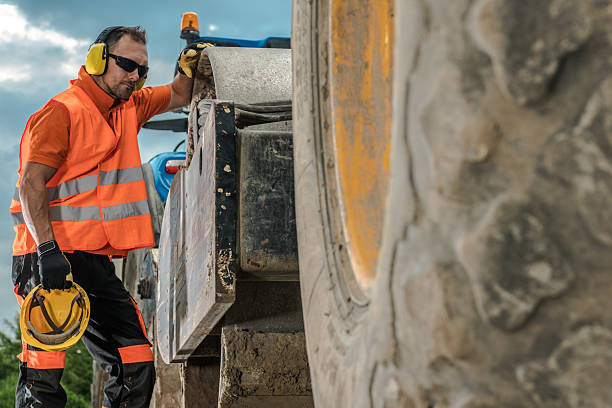
Vetting for Environmental and Sustainability Standards
As Pennsylvania moves toward stricter environmental goals, your choice of Bulk Transport Services for Heavy Materials can impact your company’s sustainability rating. Ask providers about their fleet’s average age and their use of fuel-saving technologies like aerodynamic skirts or idle-reduction systems.
Some leaders in Bulk Transport Services for Heavy Materials are even testing Renewable Natural Gas (RNG) or electric short-haul trucks. While these are still emerging in the heavy haul sector, a company’s interest in these technologies shows a commitment to the long-term future of the Pennsylvania industrial ecosystem.
Confirming Bio-Security and Contamination Protocols
If your project involves sensitive materials like food-grade manufacturing or organic agricultural inputs, you must find Bulk Transport Services for Heavy Materials that prioritize cleanliness. A trailer that just hauled coal cannot haul grain without a certified wash-out.
- Wash-Out Documentation: Ask to see their logs for trailer sanitation.
- Compartment Integrity: Ensure their pneumatic systems have high-quality filters to prevent dust contamination.
- Specific Dedicated Fleets: Some companies dedicate specific trailers to specific materials to eliminate cross-contamination risk.
- Sanitization Standards: Verify that they use EPA-approved cleaning agents for bio-secure hauls.
These details distinguish general haulers from the elite providers of Bulk Transport Services for Heavy Materials.
Examining Past Performance on Large-Scale Projects
The best predictor of future success is past performance. Ask potential Bulk Transport Services for Heavy Materials for case studies or references from similar projects. If you are building a bridge, you want a hauler who has successfully managed the aggregate flow for other PennDOT bridge projects.
A reputable provider of Bulk Transport Services for Heavy Materials will be proud to show off their portfolio. Contacting these references allows you to ask about the company’s punctuality, driver professionalism, and ability to handle the inevitable “surprises” that occur during large-scale industrial projects.
Communication and the Dispatcher Connection
The person you will deal with most often is the dispatcher. When evaluating Bulk Transport Services for Heavy Materials, spend a few minutes talking to the dispatch team. They are the air-traffic controllers of your project.
You need a dispatcher who is responsive and clear. They must have the authority to make decisions when a truck breaks down or a weather event closes a mountain pass. Bulk Transport Services for Heavy Materials that provide 24/7 dispatch support offer a level of reliability that “business hours only” companies simply cannot match.
Finalizing the Contract and Service Level Agreement
Once you find the right provider, the final step is the contract. A solid agreement for Bulk Transport Services for Heavy Materials should clearly outline the scope of work, the pricing structure, and the safety requirements.
Ensure the contract includes a Service Level Agreement (SLA) that defines what happens if the hauler fails to meet a delivery window. While everyone wants the project to go perfectly, a clear contract protects both you and the provider of Transport Services for Heavy Materials when challenges arise.
Conclusion: Building a Long-Term Logistics Partnership
Finding Bulk Transport Services for Heavy Materials in Pennsylvania is a process that rewards due diligence. In a state where industry and geography are both demanding, you cannot afford to cut corners on your logistics. By focusing on equipment diversity, safety records, and technological integration, you can find a partner that does more than just move material.
The right provider of Transport Services for Heavy Materials becomes a strategic asset to your company. They help you navigate the complexities of 511PA, road bonding, and weight limits, ensuring your project stays on schedule and on budget. As the Pennsylvania economy continues to grow in 2026, these long-term partnerships will be the foundation of successful industrial development across the Commonwealth.
Frequently Asked Questions (FAQs)
What defines “heavy materials” in bulk transport?
In the context of Transport Services for Heavy Materials, this typically refers to high-density items like coal, iron ore, limestone, steel scrap, and industrial machinery. These materials require specialized trailers with high-strength frames and specific axle configurations to remain legal on Pennsylvania roads.
How do I check if a hauler is legally bonded for PA roads?
You should ask the hauling company to provide a copy of the Excess Maintenance Agreement (EMA) or the specific bond they have filed with the township or PennDOT. Professional Transport Services for Heavy Materials handle this paperwork as a standard part of their service for rural industrial sites.
Why is 511PA important for my heavy haul project?
511PA provides real-time traffic and commercial vehicle restriction data. For Transport Services for Heavy Materials, this is critical because it allows drivers to avoid “overweight” restricted bridges or accidents that could cause hours of delay, keeping your project’s supply chain fluid.
Can bulk transport services handle hazardous heavy materials?
Yes, but they must have the proper HAZMAT endorsements and specialized tankers. When searching for Transport Services for Heavy Materials for chemicals or industrial waste, always verify that their drivers are specifically trained in hazardous material response and containment.
What is the standard weight limit for heavy hauling in PA?
For most standard tractor-trailers, the legal Gross Vehicle Weight is 80,000 lbs. To move more than this, a provider of Transport Services for Heavy Materials must obtain an “Overweight” permit from PennDOT, which restricts the vehicle to a specific, pre-vetted route.
How does e-Ticketing benefit my project’s bottom line?
E-ticketing provides instant, digital proof of delivery and weight. For those using Transport Services for Heavy Materials, this means less administrative overhead, fewer disputes over tonnages, and the ability to monitor material costs in real-time, preventing budget overruns.
How do I get an accurate quote for bulk hauling?
To get a precise quote for Transport Services for Heavy Materials, you must provide the material type, the total tonnage, the frequency of deliveries, and the exact GPS coordinates of both the pickup and drop-off points. This allows the hauler to calculate the most efficient and legal route.
Are there seasonal factors that affect heavy hauling in PA?
Yes, winter weather and spring “thaw” periods are major factors. During the spring, many roads are posted with lower weight limits to prevent damage, which can impact the availability of Transport Services for Heavy Materials. Planning ahead for these windows is essential.
What is the difference between a steel and aluminum dump trailer?
Steel trailers are much tougher and are preferred by Transport Services for Heavy Materials for hauling jagged rock or heavy scrap. Aluminum trailers are lighter, allowing for a higher legal payload of softer materials like grain or fine sand.
How do I verify a hauler’s safety record?
You can search the FMCSA’s Safety Measurement System (SMS) using the hauler’s USDOT number. Reliable Transport Services for Heavy Materials will have low “BASIC” scores in categories like Unsafe Driving and Vehicle Maintenance, indicating a commitment to safe operations.
[Contact Us for Professional Bulk Transport Services for Heavy Materials in Pennsylvania]