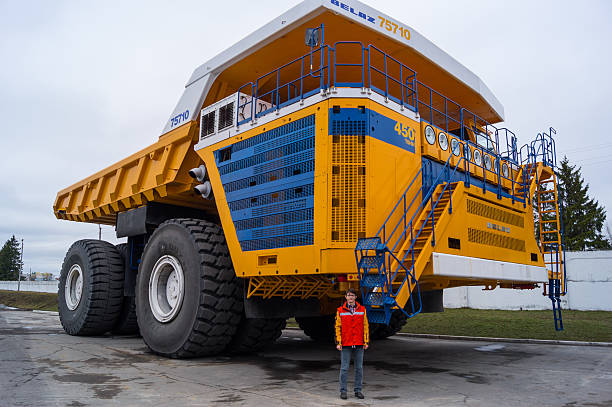
Western Pennsylvania remains a global hub for energy production and heavy manufacturing. The region’s industrial strength relies on the seamless movement of raw resources like coal, limestone, and steel components. To keep these sectors operational, Industrial Material Hauling Services provide the heavy-duty logistics required to bridge the gap between mines, processing plants, and power stations. In 2026, as the demand for infrastructure materials surges, these specialized transport solutions have become more vital than ever for the regional economy.
The rugged terrain of the Appalachian Plateau presents significant challenges for bulk transport. Moving thousands of tons of material daily across steep grades and through narrow river valleys requires precision engineering and expert driving. Professional Industrial Material Hauling Services utilize a combination of high-capacity tri-axle dump trucks and specialized trailers to meet the rigorous demands of the Western PA industrial corridor.
The Role of Coal Transport in the Regional Power Grid
Despite shifts in the global energy landscape, coal continues to play a major role in Pennsylvania’s electrical grid and steel production. Industrial Material Hauling Services facilitate the movement of bituminous coal from active mines in Greene and Washington counties to local river terminals and power plants. This process requires a continuous loop of trucks to ensure that generators never run out of fuel.
Coal hauling is a high-volume business that leaves little room for error. Companies providing Industrial Material Hauling Services must maintain strict schedules to avoid bottlenecks at the scales. By utilizing advanced dispatching software, these haulers ensure that the flow of energy-producing resources remains constant, even during periods of peak electrical demand in the winter months.
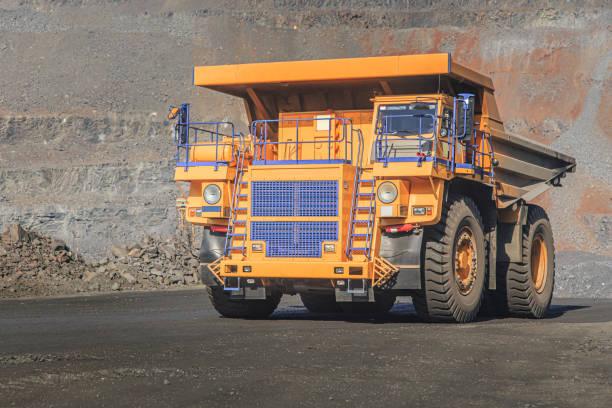
Navigating the Steel Valley Logistics Corridor
The “Steel Valley” along the Monongahela River remains a hive of industrial activity. Here, Industrial Material Hauling Services move everything from raw iron ore to finished structural beams. The logistics of steel production are complex, requiring specialized trailers that can handle extreme weights and unconventional dimensions.
Haulers in this corridor must navigate a dense network of aging infrastructure and tight urban spaces. Reliable Industrial Material Hauling Services employ drivers who are experts at maneuvering large rigs through the historic industrial towns of the region. This localized expertise prevents delays and ensures that the materials needed for national construction projects reach their destinations safely.
Technical Requirements for Heavy Aggregate Transport
Moving limestone, gravel, and sand requires equipment that can withstand constant abrasion and heavy impact. Industrial Material Hauling Services typically utilize hardened steel dump bodies for these applications. Unlike agricultural hoppers, these trailers must withstand the shock of being loaded with several tons of rock in a single drop.
| Equipment Component | Specification | Benefit for Industrial Use |
|---|---|---|
| Dump Body | AR450 Wear-Resistant Steel | Resists denting and abrasion from rocks |
| Hydraulic Hoist | Front-Mount Telescopic | Provides stability during high-angle dumping |
| Liner System | UHMW Polyethylene | Prevents sticky materials from “bridging” |
| Tailgate | Air-Actuated High-Lift | Allows for rapid discharge of bulk aggregates |
By investing in this high-spec equipment, Industrial Material Hauling Services reduce downtime caused by mechanical wear. This reliability is essential for large-scale road construction projects where a delay in stone delivery can halt an entire paving crew.
Managing the Logistics of Cinder and Fly Ash
A byproduct of the region’s coal-fired history is the need to transport cinders and fly ash for recycling or disposal. Industrial Material Hauling Services provide the specialized, sealed trailers needed to move these fine-particle materials without creating dust hazards. Fly ash is frequently used as a stabilizing agent in concrete, making its transport a key part of the construction supply chain.
- Environmental Protection: Sealed gates and heavy-duty tarps prevent “blow-off” during highway transit.
- Regulatory Compliance: Drivers must carry detailed manifests identifying the specific type of ash being moved.
- Specialized Loading: Many ash facilities require trucks to pull into enclosed bays to minimize ambient dust.
- Tipping Safety: Drivers must ensure level ground when dumping ash, as the material can shift rapidly.
These protocols demonstrate the technical sophistication that professional Industrial Material Hauling Services bring to the management of industrial byproducts.
Compliance with PennDOT Weight Limits and Bridge Restrictions
Western Pennsylvania features a high concentration of bridges with strictly enforced weight limits. To operate legally, Industrial Material Hauling Services must constantly monitor their Gross Vehicle Weight (GVW). Overloading a truck by even a few thousand pounds can result in significant fines and potential damage to the region’s historic bridges.
Most industrial rigs are permitted for 80,000 lbs, though some specialized “Super Load” permits allow for higher weights on specific routes. Professional Industrial Material Hauling Services use on-board scales to verify every load before the truck leaves the site. This commitment to legality protects the hauling company, the client, and the public infrastructure.
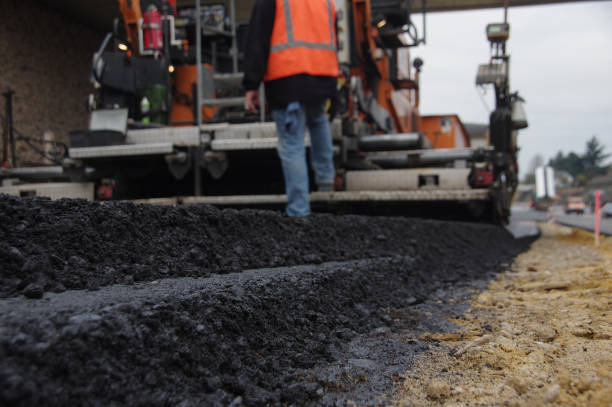
Utilizing 511PA for Live Traffic and Road Conditions
Western PA is notorious for sudden road closures due to landslides, winter weather, or construction in the many tunnels around Pittsburgh. Drivers for Industrial Material Hauling Services utilize the 511PA system to stay ahead of these disruptions. This real-time tool provides updates on commercial vehicle restrictions and traffic speeds across the region.
By checking 511PA, a dispatcher can reroute a fleet of coal trucks around a closure on I-70 or the Pennsylvania Turnpike. This proactive route management ensures that Industrial Material Hauling Services maintain their delivery windows. In an industry where “time is money,” the ability to avoid a two-hour traffic jam is a critical competitive advantage.
The Importance of Posted and Bonded Roads in Rural Areas
Many mines and quarries in Western PA are located off the beaten path, accessible only by township roads. To provide Industrial Material Hauling Services on these routes, companies must enter into Excess Maintenance Agreements (EMA) or provide road bonds.
How the Bonding Process Protects Local Infrastructure
- Pre-Haul Inspection: The township and the hauler document the road’s condition before work begins.
- Financial Security: The bond provides funds for repairs if the heavy truck traffic damages the asphalt.
- Ongoing Maintenance: Some Industrial Material Hauling Services provide their own equipment to patch potholes during a project.
- Post-Haul Release: Once the project ends, a final inspection determines if the bond is returned or used for repairs.
This system allows for industrial growth while ensuring that local taxpayers are not burdened by the cost of road wear caused by heavy hauling.
Safety Standards for High-Angle Dumping Operations
Dumping a 40-ton load of coal or stone is one of the most dangerous tasks in the transport industry. Industrial Material Hauling Services prioritize safety by training drivers on the “stability triangle” of their vehicles. If the ground is not perfectly level, a raised dump body can easily tip the entire truck.
Professional haulers also use automated tarping systems so that drivers do not have to climb on top of the trailer. This reduces the risk of falls and speeds up the turn-around time at the scale house. High-quality Industrial Material Hauling Services maintain a “zero-accident” culture through regular safety briefings and equipment inspections.
Handling the Logistics of Frac Sand for the Energy Sector
The Marcellus Shale expansion has created a specialized niche within Industrial Material Hauling Services. Frac sand is a high-demand commodity that must be delivered to well sites around the clock. This requires pneumatic trailers that can blow the sand into storage silos at the site.
| Material | Transport Method | Industry Application |
|---|---|---|
| Frac Sand | Pneumatic Tanker | Natural Gas Extraction |
| Drilling Mud | Vacuum Trailer / Sealed Dump | Well Completion |
| Produced Water | Liquid Tanker | Energy Waste Management |
This segment of Industrial Material Hauling Services operates on a 24/7 basis, mirroring the non-stop nature of energy exploration. The reliability of these deliveries is crucial, as a lack of sand can halt a multi-million dollar drilling operation.
Licensing and Driver Training for Industrial Freight
Driving an industrial rig in the mountains of Western PA requires a Class A CDL with specific endorsements. Beyond the basic license, companies providing Industrial Material Hauling Services often require “Off-Road” training. This teaches drivers how to handle heavy loads on the steep, unpaved haul roads found at mines and construction sites.
- Manual Transmission Mastery: Many heavy rigs still use 13 or 18-speed manuals for better control on grades.
- Brake Management: Proper use of “Jake Brakes” (engine braking) prevents brake fade on long descents.
- Load Distribution: Drivers must know how to position the load to ensure maximum traction and stability.
- Hazard Identification: Training includes spotting soft ground or overhead power lines at industrial sites.
By employing highly skilled drivers, Industrial Material Hauling Services ensure that even the most difficult loads reach their destination without incident.
Maintenance Protocols for High-Cycle Hauling
Industrial hauling is hard on equipment. A coal truck might make a dozen trips a day, totaling hundreds of miles and multiple “lift cycles” for the dump body. To keep up with this demand, Industrial Material Hauling Services implement rigorous maintenance schedules.
Technicians inspect hydraulic lines daily for leaks and check tire pressures to ensure maximum fuel efficiency and stability. A single blown hydraulic hose can sideline a truck and create an environmental spill. Top-tier Industrial Material Hauling Services prevent these issues through predictive maintenance, replacing wear parts before they fail.
Environmental Compliance and Dust Control
Western Pennsylvania has strict regulations regarding dust and material loss on public highways. Industrial Material Hauling Services utilize heavy-duty, waterproof tarps and wheel-wash stations to stay compliant. Every truck must leave the quarry or mine clean to prevent mud from being tracked onto local roads.
- Wheel Wash Stations: High-pressure sprayers clean the tires and undercarriage before the truck hits the pavement.
- Waterproof Tarps: Essential for moving fly ash or fine coal to prevent rain-related runoff.
- Tailgate Seals: Neoprene seals prevent “fines” from leaking out onto the highway.
- Load Leveling: Ensuring the load is “struck off” (leveled) so it does not sit higher than the trailer sides.
These measures are a mandatory part of professional Industrial Material Hauling Services, protecting the environment and the company’s reputation.
The Future of Industrial Hauling in Western PA
As we look further into 2026, the technology behind Industrial Material Hauling Services continues to evolve. Many companies are testing autonomous “platooning” for coal runs between mines and river terminals. This could significantly increase efficiency and safety on dedicated haul roads.
Additionally, the shift toward electric and hydrogen-powered heavy trucks is beginning to influence the regional market. While the weight of batteries is a challenge for bulk haulers, the reduced fuel costs and emissions are attractive. For now, modern “clean-diesel” engines remain the workhorse of Industrial Material Hauling Services, providing the torque needed for the region’s steep hills.
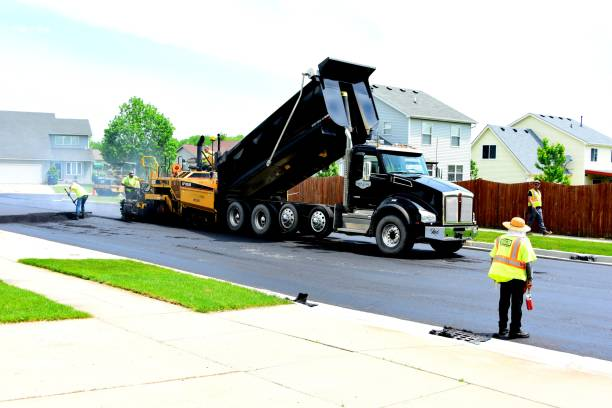
Communication: The Link Between Mine and Market
Successful industrial logistics rely on clear communication. The dispatchers at Industrial Material Hauling Services act as the central hub, coordinating between mine operators, plant managers, and drivers. They must react instantly to outages at a power plant or delays at a river terminal.
Selecting a Reliable Hauling Partner in Western PA
Choosing the right provider for Industrial Material Hauling Services is a decision that impacts the entire production chain. A reliable partner offers more than just a truck; they offer the expertise, equipment, and safety record needed to handle the region’s most demanding materials.
Whether you are moving coal, steel, or aggregate, you need a hauler who understands the “Western PA way” of doing business. By investing in professional Industrial Material Hauling Services, industrial operators can focus on their core business, knowing that their logistics are in expert hands.
Frequently Asked Questions (FAQs)
What types of materials do industrial hauling services handle?
Industrial Material Hauling Services specialize in bulk, heavy-weight goods. This primarily includes bituminous coal, limestone, frac sand, iron ore, steel scrap, fly ash, and large-scale construction aggregates like rip-rap.
How do I verify if a hauler is bonded for my road?
You should ask for their “Excess Maintenance Agreement” or a copy of the bond filed with the local township or PennDOT. Professional Industrial Material Hauling Services handle this documentation as part of their standard project setup.
Does 511PA provide weight restriction data?
Yes, the 511PA system includes a layer for commercial vehicle restrictions, which highlights bridges and roads with active weight limits. This is a vital tool for drivers providing Industrial Material Hauling Services in Western PA.
Why is steel preferred over aluminum for industrial dump bodies?
While aluminum is lighter and allows for more payload, steel is much tougher. For Industrial Material Hauling Services involving heavy rock or scrap metal, steel prevents the “punch-through” damage that would ruin an aluminum trailer.
Can I track my industrial material shipment in real-time?
Most modern providers of Industrial Material Hauling Services offer GPS tracking links to their clients. This allows you to see the ETA of your coal or stone delivery and adjust your on-site operations accordingly.
What is the maximum weight for a standard industrial haul?
In Pennsylvania, the standard legal GVW (Gross Vehicle Weight) is 80,000 lbs. To exceed this, Industrial Material Hauling Services must obtain specialized “Overweight” permits, which are restricted to specific routes and equipment configurations.
How do haulers prevent coal dust from blowing off the truck?
Haulers use electric, heavy-duty vinyl tarps that cover the entire top of the trailer. Additionally, professional Industrial Material Hauling Services ensure the tailgate is tightly sealed and the load is leveled below the top of the trailer walls.
Is specialized training required for coal hauling?
Yes, drivers must understand the specific hazards of mine sites, including steep haul roads and high-voltage power lines. Many Industrial Material Hauling Services provide “MSHA” (Mine Safety and Health Administration) training to their operators.
How do winter conditions affect industrial hauling in Western PA?
Ice and snow on steep mountain grades can halt operations. Reliable Industrial Material Hauling Services use the 511PA app to monitor plow activity and road salt applications to determine when it is safe to resume hauling.
What should I look for in an industrial hauling contract?
You should look for clear per-ton or per-hour rates, a detailed safety record, proof of cargo insurance, and a commitment to maintaining current permits and bonds for all required routes.
[Request a Quote for Professional Industrial Material Hauling Services in Western PA]