The transition of raw agricultural products from the soil of a rural farm to the shelves of a bustling market involves a sophisticated logistical dance. In Pennsylvania, Farm-to-Market Bulk Hauling Services act as the essential connective tissue in this supply chain. Whether you are moving field corn to a processor or fresh-market vegetables to a regional distribution center, understanding the operational standards of these services is vital. In 2026, the industry faces new pressures from shifting consumer demands and stricter safety regulations, making it more important than ever to know what to expect from your hauling partner.
Pennsylvania’s diverse agricultural landscape, which includes everything from massive dairy operations to small organic vegetable farms, requires a flexible approach to transport. Professional Farm-to-Market Bulk Hauling Services provide more than just a truck; they offer a coordinated strategy that ensures the freshness, safety, and profitability of your harvest. This guide details the technical requirements, local nuances, and modern tools that define the farm-to-market experience in the Keystone State.
Defining the Scope of Farm-to-Market Logistics
The term “farm-to-market” encompasses a wide range of movements. For some, it means moving grain from a farm in the Susquehanna Valley to a local feed mill. For others, it involves specialized refrigerated transport for perishable produce heading to Philadelphia or Pittsburgh. Farm-to-Market Bulk Hauling Services must adapt their equipment and schedules to meet these varied needs.
A primary expectation for these services is the preservation of product quality. Unlike industrial aggregate, agricultural goods are often living commodities or perishable food items. Therefore, Farm-to-Market Bulk Hauling Services prioritize sanitation and temperature control over raw volume. When you engage these services, you are hiring a partner who understands that the clock starts ticking the moment the product leaves the field.
Historical Context: Pennsylvania’s Market Access
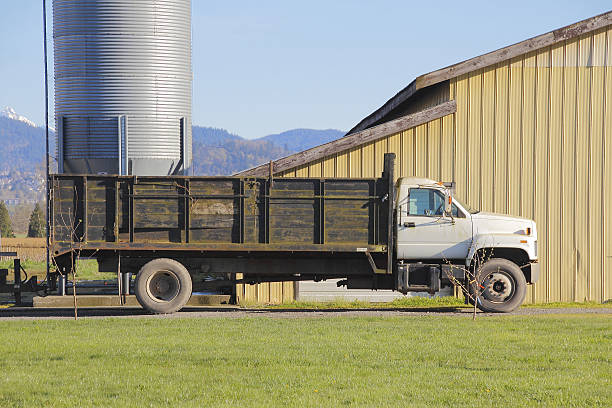
Pennsylvania has a long history of connecting rural production with urban consumption. From the early “Market Houses” of the 18th century to the modern regional hubs of today, the state’s economy relies on efficient movement. Historically, the “Farm-to-Market” movement led to the creation of the very roads we use today.
As the state modernized, Farm-to-Market Bulk Hauling Services evolved from horse-drawn carts to high-capacity tractor-trailers. This history informs the current logistical patterns, as many modern distribution centers sit along the same historic trade routes that have served the state for generations. This deep-rooted infrastructure provides a solid foundation for the complex Farm-to-Market Bulk Hauling Services we rely on in 2026.
Equipment Diversity in Farm-to-Market Fleets
The variety of products in PA requires a diverse fleet of vehicles. When you book Farm-to-Market Bulk Hauling Services, the equipment choice depends entirely on the sensitivity and form of the cargo.
| Equipment Type | Best Application | Key Feature |
| Refrigerated Van (Reefer) | Produce, Dairy, Meat | Active temperature monitoring |
| Hopper Bottom | Bulk Grain, Corn, Wheat | Gravity-fed rapid discharge |
| Livestock Trailer | Cattle, Swine, Poultry | Specialized ventilation systems |
| Walking Floor Trailer | Silage, Forage, Mulch | Self-unloading without tipping |
Choosing the correct vehicle via Farm-to-Market Bulk Hauling Services ensures that the product arrives in the same condition it left the farm, preventing waste and maximizing market value.
Scheduling and the “Freshness Window”
In the world of perishables, timing is everything. Professional Farm-to-Market Bulk Hauling Services operate on a “Just-In-Time” (JIT) delivery model. This minimizes the time products spend in transit, which is especially critical for items like leafy greens or fluid milk.
- Pre-Harvest Planning: Coordinating truck arrival with the peak of the harvest.
- Rapid Loading: Minimizing the time a product sits on a loading dock without climate control.
- Direct Routing: Avoiding unnecessary stops to keep the “cold chain” intact.
- Receiver Coordination: Ensuring the market or processor is ready to unload the truck immediately upon arrival.
By strictly managing these windows, Farm-to-Market Bulk Hauling Services protect the shelf life of the goods.
Navigating Pennsylvania’s Urban-Rural Divide
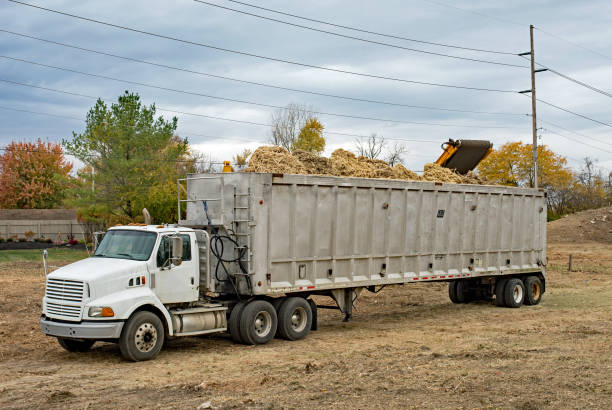
Hauling in PA requires a unique skill set to move between quiet rural lanes and congested urban centers. Farm-to-Market Bulk Hauling Services must navigate the narrow bridges of Lancaster County one hour and the heavy traffic of the I-95 corridor the next.
Drivers must understand the specific ordinances of the destination markets. For example, delivering to a market in downtown Philadelphia involves different height restrictions and noise ordinances than delivering to a rural elevator in Centre County. Top-tier Farm-to-Market Bulk Hauling Services employ drivers who are equally comfortable in both environments.
The Utility of 511PA for Perishable Transport
For any time-sensitive delivery, information is the most valuable tool. Drivers of Farm-to-Market Bulk Hauling Services utilize the 511PA system to monitor traffic flow and road conditions in real-time. If a major accident closes a bridge on the Susquehanna River, the driver can use 511PA to find an alternative route before the product begins to degrade.
This tool is particularly useful during Pennsylvania’s unpredictable winters. By checking 511PA for plow activity and road closures, Farm-to-Market Bulk Hauling Services can decide whether to delay a departure or change a route to ensure the safety of the driver and the cargo.
Licensing and Food Safety Certifications
In 2026, the regulatory environment for Farm-to-Market Bulk Hauling Services is stricter than ever. Beyond a standard Class A CDL, many drivers must now hold specific food safety certifications.
- FSMA Compliance: Adhering to the Food Safety Modernization Act requirements for sanitary transport.
- HAZMAT (for Fertilizers): Required if the service also moves agricultural chemicals.
- Clean-Out Logs: Maintaining a documented history of trailer cleaning to prevent cross-contamination.
- Temperature Logs: Providing proof that a refrigerated load stayed within the required range for the entire trip.
When you hire Farm-to-Market Bulk Hauling Services, you expect these certifications to be current and documented for every load.
Compliance with Weight Limits and Bridge Restrictions
Pennsylvania has more bridges than almost any other state, and many of them have strict weight limits. Farm-to-Market Bulk Hauling Services must plan routes that avoid “posted” bridges while still maintaining a direct path to the market.
Carrying a full load of grain or potatoes can easily bring a truck to the 80,000-lb GVW limit. Professional Farm-to-Market Bulk Hauling Services use route-planning software that accounts for these restrictions, ensuring the truck stays legal and the infrastructure remains undamaged. This attention to detail prevents costly fines and delays that could ruin the profitability of a shipment.
Bio-Security Protocols for Farm Entry
Protecting the farm is a major component of Farm-to-Market Bulk Hauling Services. When a truck moves from one farm to another, it can potentially transport pathogens like Avian Flu or Swine Fever.
Standard Bio-Security Measures
- Tire Washing: Spraying tires with disinfectant before entering a sensitive farm area.
- Undercarriage Cleaning: Removing mud and debris that might harbor bacteria.
- Cab Sanitation: Ensuring the driver does not bring outside contaminants into the loading area.
- Exclusion Zones: Staying within designated truck paths to avoid contact with livestock.
Experienced Farm-to-Market Bulk Hauling Services view these protocols as a standard part of their operation, not an optional extra.
Pricing Models: Flat Rates vs. Variable Costs
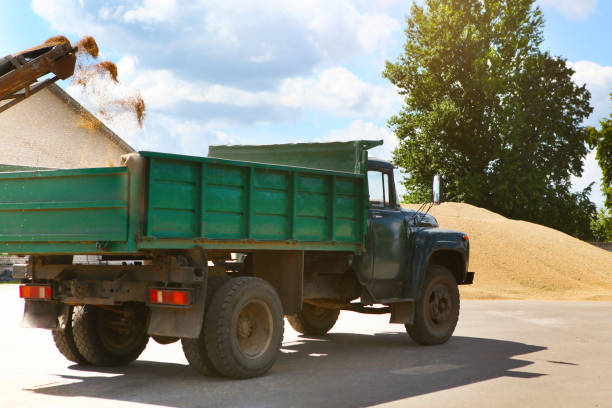
When you prepare to book Farm-to-Market Bulk Hauling Services, you should understand how the market determines the price. Because the cargo is often more sensitive than aggregate or general freight, the pricing reflects the increased risk and specialized equipment.
| Factor | Impact on Cost | Why it Matters |
| Refrigeration | 15% to 25% Increase | Requires constant fuel for the reefer unit. |
| Deadheading | Variable | Empty miles are usually billed back to the farmer. |
| Loading Time | Hourly after a set window | Delays at the farm increase the labor cost. |
| Market Congestion | Location-dependent | Delivering to high-traffic urban areas carries a premium. |
Understanding these factors allows producers to better estimate the total cost of their Farm-to-Market Bulk Hauling Services.
The Role of Real-Time Tracking for Receivers
Modern markets and grocery chains require precise delivery windows. To meet this demand, Farm-to-Market Hauling Services utilize GPS tracking. This allows the receiver to see the truck’s progress and prepare their staff for unloading.
This transparency reduces the time a truck spends idling at a loading dock, which saves fuel and preserves product quality. For the farmer, real-time tracking provides peace of mind that their hard-earned product is moving smoothly toward the final sale. High-tech Farm-to-Market Bulk Hauling Services consider this level of communication to be a standard tool of the trade.
Managing Quality During the “Last Mile”
The “last mile” of Farm-to-Market Bulk Hauling Services is often the most difficult. This involves the final stretch of the journey through city streets to reach the market or distribution center. In Pennsylvania cities like Allentown or Scranton, these streets can be narrow and difficult for large rigs to maneuver.
Professional haulers use smaller “day cabs” or specialized urban delivery vehicles for this phase of the move if necessary. Maintaining quality during this final hour is essential, as any delays in heavy urban traffic can compromise the temperature of the load. Reliable Farm-to-Market Hauling Services plan for these urban challenges well before the truck leaves the farm.
Environmental Sustainability in Ag Logistics
In 2026, many Pennsylvania markets are asking for “Green” supply chain data. Farm-to-Market Hauling Services are responding by upgrading their fleets to more fuel-efficient engines and utilizing aerodynamic trailer designs.
- Low-Emission Refrigeration: Using electric-standby units that plug in at the dock to save fuel.
- Route Optimization: Reducing total miles driven to lower the carbon footprint per bushel.
- Alternative Fuels: Integrating RNG (Renewable Natural Gas) or electric trucks for short-haul farm moves.
- Tire Management: Maintaining optimal pressure to maximize fuel efficiency and reduce road wear.
These efforts help Farm-to-Market Hauling Services meet the environmental standards of modern retailers.
Communication: The Driver-Farmer Link
The most successful Farm-to-Market Hauling Services rely on clear, constant communication. The driver must know the exact location of the loading point, the condition of the farm road, and the preferred weight of the load.
In return, the driver provides the farmer with updates on market conditions or delays at the receiver. This partnership is especially important during the high-stress periods of the harvest. By treating the driver as an extension of the farm team, producers can ensure that their Farm-to-Market Hauling Services run like a well-oiled machine.
Selecting Your Long-Term Hauling Partner
Choosing a provider for Farm-to-Market Hauling Services is a strategic business decision. Producers should look for companies with a deep understanding of Pennsylvania’s specific geography and a proven track record of handling sensitive agricultural goods.
A reliable partner offers consistency, safety, and a commitment to the “Farm-to-Market” mission. By investing in professional Farm-to-Market Hauling Services, you ensure that your products arrive at market in peak condition, securing the highest possible return on your investment.
Frequently Asked Questions (FAQs)
What is the most important factor in farm-to-market hauling?
The most important factor for Farm-to-Market Hauling Services is timing. Whether it is a grain elevator closing at 5:00 PM or a grocery distributor needing fresh berries by dawn, missing a window can lead to lost revenue or spoiled products.
How do haulers handle bio-security?
Professional Farm-to-Market Hauling Services follow strict protocols, including cleaning the truck’s exterior between farms and ensuring the driver stays within designated areas. This prevents the spread of diseases between agricultural operations.
Does 511PA work for rural farm roads?
511PA primarily covers state-maintained roads and highways. While it may not show every dirt road, it is an essential tool for Farm-to-Market Hauling Services to navigate the major routes that connect rural areas to urban markets.
What insurance is required for agricultural hauling?
Farm-to-Market Hauling Services must carry Cargo Insurance that specifically covers agricultural commodities. This is different from general freight insurance, as it accounts for the potential spoilage of perishable goods.
Can I track my shipment in real-time?
Yes, most modern Farm-to-Market Hauling Services provide a digital tracking link. This allows both the farmer and the buyer to see the truck’s location, helping everyone coordinate the logistics of unloading.
[Contact Our Dispatch Center for Reliable Farm-to-Market Bulk Hauling Services]