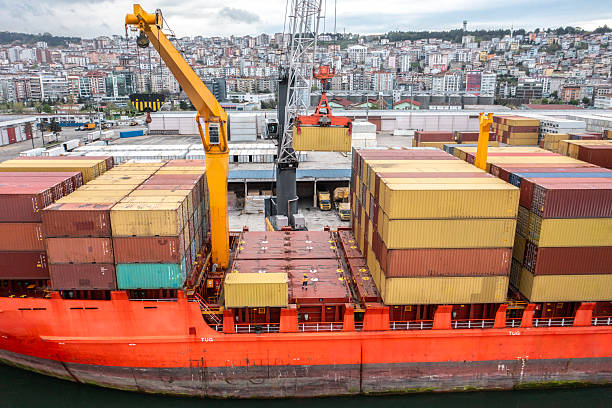
The Susquehanna Valley is a powerhouse of Pennsylvania agriculture, stretching from the fertile fields of the Northern Tier down through the central heartland to the Maryland border. For producers in this region, the ability to Book Bulk Grain Transport with precision is the defining factor in harvest-time profitability. Whether you are moving high-moisture corn to a local feed mill or soybeans to a regional export terminal, the logistics of the Susquehanna Valley require a strategic approach that balances local terrain with high-tech dispatching tools.
In 2026, the process to Book Bulk Grain Transport has evolved beyond simple phone calls. It now integrates real-time traffic data, regulatory compliance checks, and digital documentation. This guide provides a technical roadmap for Susquehanna Valley producers to secure the most efficient hauling services while navigating the unique infrastructure of the region.
The Geography of Susquehanna Valley Grain Hubs
The Susquehanna Valley’s logistics are anchored by the river itself, which has historically dictated the placement of rail lines and highways. When you prepare to Bulk Grain Transport, you must consider your proximity to major hubs like Selinsgrove, Sunbury, and Lancaster. These areas serve as “concentration points” where regional elevators and processors are clustered.
Navigating the geography of the valley means understanding the difference between “Valley Roads” and “Ridge Routes.” Moving grain across the ridges of Central PA requires more fuel and time than hauling along the river plain. Professional haulers factor these elevation changes into their quotes, making it essential for producers to provide precise “field-gate” coordinates when they Book Bulk Grain Transport.
Determining Your Specific Transport Needs
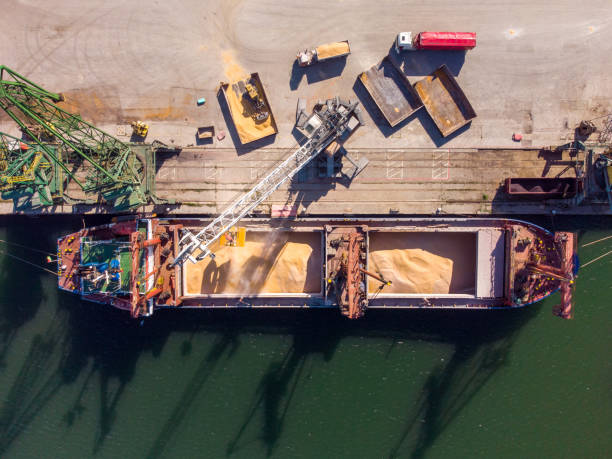
Before you Book Bulk Grain Transport, you must identify the physical requirements of your crop. Not all trailers are created equal, and sending the wrong equipment to a field can lead to costly delays.
- Corn Hauling: Requires high-volume hopper bottoms with roll-over tarps to prevent moisture ingress.
- Soybean Transport: Often requires perfectly clean trailers to avoid “foreign material” (FM) deductions at the elevator.
- Wheat Logistics: Because wheat is the first major harvest, you must Book Bulk Grain Transport early to secure capacity before the fall rush.
- Organic Grain: Requires a certified “Clean Out” document from the hauler to ensure no cross-contamination with GMO crops.
Licensing and CDL Standards in Pennsylvania
A major part of the “confusing” side of logistics is the licensing of the drivers. When you Book Bulk Grain Transport, you are hiring a professional who must meet strict PennDOT and federal standards. Most bulk grain is moved using Class A Commercial Driver’s Licenses (CDL).
| License Class | Weight Limit | Application |
|---|---|---|
| Class A CDL | 26,001+ lbs (Trailers > 10,000 lbs) | Standard for Tractor-Trailer Hopper Bottoms. |
| Class B CDL | 26,001+ lbs (Trailers < 10,000 lbs) | Used for Straight Trucks or “Ten-Wheelers.” |
| Ag Exemption | Within 150 air-miles | Allows farmers to haul their own crop without a full CDL. |
Knowing these classes helps you understand the equipment being sent to your farm. If you Bulk Grain Transport for a full 800-bushel load, a Class A driver is a non-negotiable legal requirement.
Using 511PA to Verify Route Feasibility
The Susquehanna Valley is prone to sudden closures due to flooding, bridge repairs, or winter weather. Before you Book Grain Transport, check the 511PA tool. This is a live, PennDOT-maintained resource that provides real-time traffic alerts and commercial vehicle restrictions.
511PA is essential for avoiding “detour traps” where a 53-foot trailer might get stuck on a narrow historic bridge. When you Book Bulk Grain Transport, sharing a 511PA traffic alert with your hauler can save hours of idling time and fuel, ensuring your grain reaches the elevator before the scales close for the day.
The Importance of Posted and Bonded Roads
In many parts of the Susquehanna Valley, the roads leading to your fields may be “posted.” This means PennDOT has placed a weight limit on the road to protect the asphalt from heavy loads. To legally Book Bulk Grain Transport on these roads, the hauling company must often have an Excess Maintenance Agreement (EMA) or a bond.
How Road Bonding Affects Your Booking
- Permit Verification: Ensure your hauler is permitted for the specific “posted” routes leading to your bin.
- Liability: Bonding protects the township from road damage, but it can increase the per-ton hauling rate.
- Route Surveys: Some contracts require a pre-haul survey of the road condition.
- Seasonality: Weight limits are most strictly enforced during the spring “thaw” period when roads are softest.
Negotiating Pricing: Tonnage vs. Hourly Rates
When you move to Book Bulk Grain Transport, you will likely be offered two different pricing models. Understanding the “math” behind these rates is key to project profitability.
| Pricing Model | Pros | Cons |
|---|---|---|
| Per-Bushel / Per-Ton | Fixed cost regardless of traffic or wait times. | Higher risk for the hauler if elevators are backed up. |
| Hourly Rate | Fair for short-distance “shuttling” between fields. | Can become expensive if the truck sits in a long line. |
| Fuel Surcharge | Protects the hauler from 2026 fuel volatility. | Makes the final bill slightly unpredictable. |
Most producers in the Susquehanna Valley prefer the per-bushel model to Grain Transport, as it allows for easier crop-budgeting at the start of the season.
Scheduling During Peak Harvest Windows
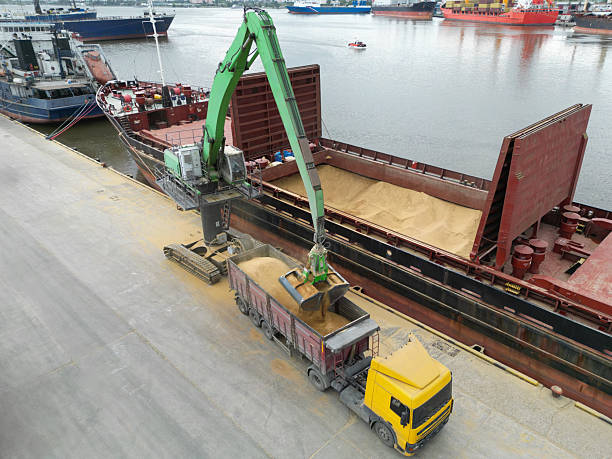
The biggest challenge in the Susquehanna Valley is the “Harvest Rush.” In October, everyone is trying to Book Bulk Grain Transport at the same time. If you wait until the combines are in the field, you may find that all professional fleets are already committed.
To successfully Book Bulk Grain Transport during peak season, many farmers enter into “Service Level Agreements” (SLAs). These are contracts where a hauling company guarantees a certain number of trucks per day in exchange for a committed volume of grain. This “guaranteed capacity” is the only way to ensure your bins don’t overflow while you wait for a truck.
Technical Documentation and e-Ticketing
By 2026, the administrative side of grain transport has gone digital. When you Book Grain Transport, ask if the company utilizes e-Ticketing. This technology sends a digital weight ticket from the truck’s onboard scales directly to your smartphone.
Digital documentation reduces the chance of “ticket loss” and provides a clear audit trail for crop insurance and tax purposes. It also allows the driver to clear the scale faster, improving the overall cycle time of your Book Bulk Grain Transport operations. This transparency is a favorite tool for both truckers and farm managers.
Evaluating Equipment: Hopper Bottom vs. End Dump
In the Susquehanna Valley, the choice of trailer is a critical technical decision. While most grain is moved in hoppers, some specialty applications require end dumps.
- Hopper Bottoms: Ideal for high-speed unloading at modern elevators with underground pits.
- End Dumps: Required if you are delivering to a flat storage building where the grain must be piled.
- Tarp Systems: Ensure any truck you hire to Book Bulk Grain Transport has an electric tarp system for rapid deployment in sudden PA rain showers.
- Cleanliness: Always specify “Grain Only” trailers to avoid contamination from previous aggregate or fertilizer loads.
Safety Protocols for Valley Farm Sites
The Susquehanna Valley is famous for its “tight” farmstead layouts. When you Book Bulk Grain Transport, you must ensure your site is safe for 80,000-lb vehicles.
Site Readiness Checklist
- Overhead Clearance: Identify any low power lines or tree branches that could snag a trailer.
- Ground Stability: Ensure the approach to the bin is compacted and won’t sink under the weight of a full load.
- Turning Radii: Do not Book Bulk Grain Transport if a tractor-trailer cannot physically make the turn into your gate.
- Communication: Have a designated “site lead” to signal the driver where to park and dump.
Utilizing the Susquehanna River Barge Terminals
For producers in the lower Susquehanna Valley, you may Book Bulk Grain Transport for delivery to river terminals. This is a unique logistical move where grain is transferred from trucks to barges for export.
This requires a specific type of booking, as terminal wait times can be longer than at local feed mills. When you Book Bulk Grain Transport for “River Work,” ensure the hauler is familiar with terminal protocols and has the necessary TWIC (Transportation Worker Identification Credential) cards if required by federal port regulations.
Managing Quality: Moisture and Foreign Material
When you Book Bulk Grain Transport, the hauler becomes the temporary “custodian” of your crop. If they fail to secure their tarp, a load of high-quality wheat can be ruined by a ten-minute downpour on Route 11.
Professional services that allow you to Book Bulk Grain Transport often carry “Cargo Insurance” specifically for grain. This protects the producer if the load is damaged or lost during transit. Always verify the insurance limits of your hauler before the first load leaves the field, as the value of 800 bushels of soybeans can exceed $10,000.
Dealing with Outages and Road Stoppages
Even the best-laid plans can be disrupted by Pennsylvania’s unpredictable infrastructure. A sudden utility outage or a slow-moving wide-load on a two-lane state road can halt your grain flow.
This is where the utility of 511PA and driver experience come into play. When you Book Bulk Grain Transport, hire a partner who is proactive in their communication. A driver who sees a closure and immediately finds a “bonded” alternative route is worth far more than the lowest bidder. These “tool references” are what veteran truckers use to stay profitable in the Susquehanna Valley.
Environmental Compliance: Tarping and Section 4903
In Pennsylvania, “losing your load” is a criminal offense under Section 4903 of the Vehicle Code. This law is strictly enforced in the Susquehanna Valley to prevent grain from attracting rodents or creating slick spots on the road.
Every time you Book Bulk Grain Transport, the driver is legally obligated to ensure the load is covered and the hopper gates are sealed tight. High-quality services will double-check their gates at every stop. This attention to detail protects the environment and the reputation of the Pennsylvania agricultural community.
Conclusion: Building a Reliable Logistics Chain
The Susquehanna Valley is a region defined by its productivity, but that productivity is only as good as the logistics supporting it. To successfully Book Bulk Grain Transport, you must be a “prepared partner.” This means providing clear directions, utilizing tools like 511PA, and understanding the technical needs of your crop.
By following the steps in this guide, Susquehanna Valley producers can Book Bulk Grain Transport with confidence. Whether you are a small organic farm or a large-scale commercial operator, the right hauling partner is the final link in a successful harvest.
Frequently Asked Questions (FAQs)
What is the best time to Book Bulk Grain Transport for the fall?
It is best to Book Bulk Grain Transport at least 4 to 6 weeks before your anticipated harvest start date. This allows you to negotiate rates and ensure that the hauling company has allocated enough trucks to your region.
How do I find out if my road is “Posted” for weight?
You can check the PennDOT website under the “Posted and Bonded Roadway” section or look for physical signs on the roadside. If your road is posted, you must Book Bulk Grain Transport with a company that holds the necessary bonds to travel on those routes.
Is e-Ticketing required in the Susquehanna Valley?
While not mandatory for private farm moves, many large elevators in the Susquehanna Valley are moving toward e-Ticketing to speed up their processing. When you Book Bulk Grain Transport, asking for e-Ticketing capability is a smart move for your own record-keeping.
Can I Book Bulk Grain Transport for “Wet” corn?
Yes, but you must specify this. Wet corn is heavier than dry corn, which may affect the “tonnage” calculation of the load. Additionally, wet corn is more prone to “sticking” in the hopper, so the trailer must be in top condition.
What should I do if my hauler is stuck in traffic?
Check the 511PA app to see the extent of the delay. If the stoppage is prolonged, communicate with your combine operator to adjust the field-side storage. A professional who allows you to Book Bulk Grain Transport should provide regular status updates via their dispatch office.
[Request a Quote to Book Bulk Grain Transport in the Susquehanna Valley]